
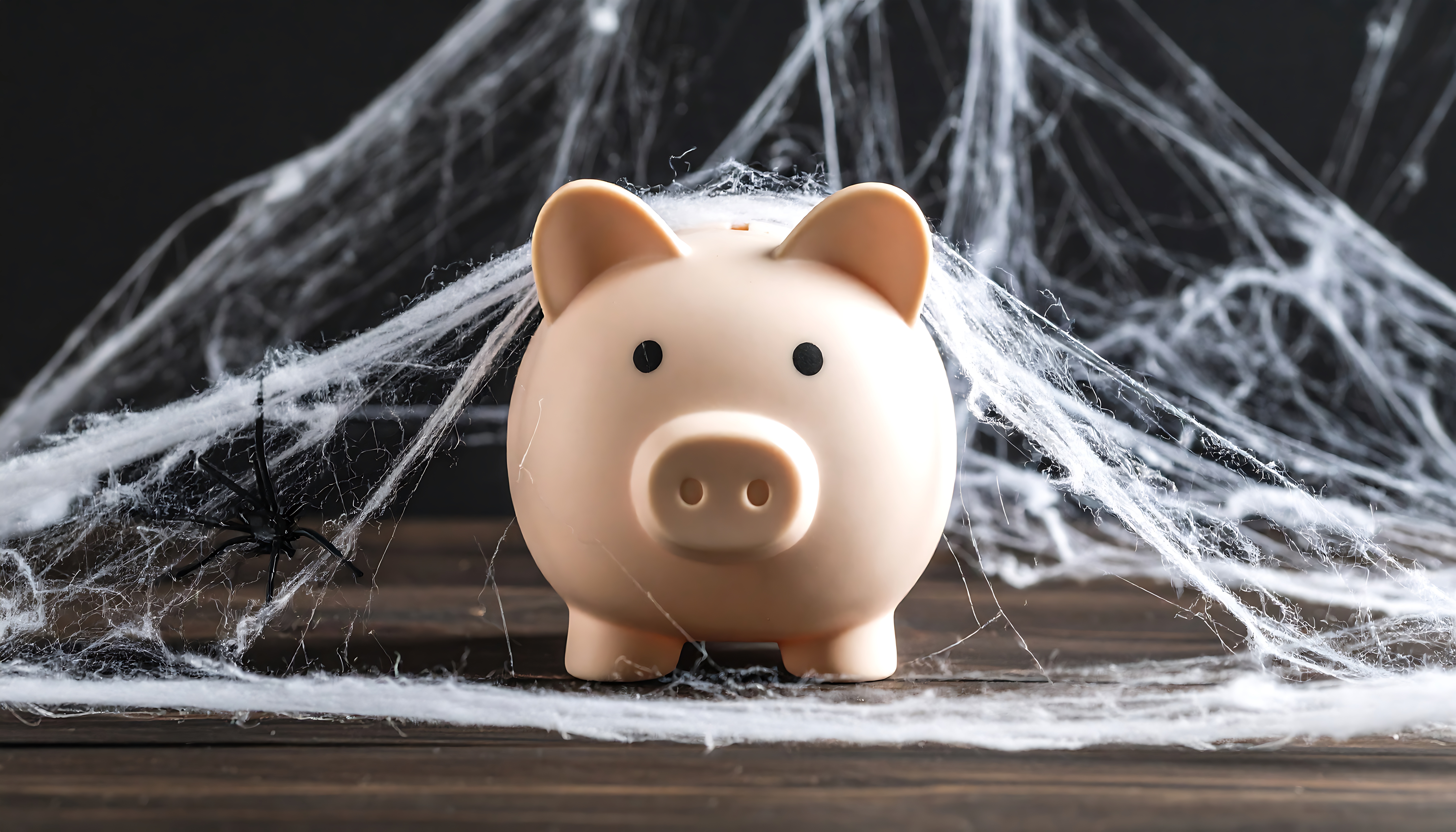
As Halloween creeps closer, it’s the perfect time to explore money superstitions around the world! Let’s take a tour through some of the eeriest money superstitions from around the globe… if you dare! 👻
1. Sweeping at Night
In many parts of Asia, Africa, and Latin America, there’s a long-held belief that sweeping the floor after dark can sweep away your luck. According to tradition, the act doesn’t just clear dust, it sends good fortune, wealth, and blessings right out the door.
Even today, this superstition lives on in places like the Philippines. If something spills at night, families clean it up just enough to keep things tidy, but the broom stays in the corner until morning. Better to leave a little mess than to sweep prosperity away!

2. Adding One Rupee to Gifts
In South Asia, money gifts rarely end in a round number. Instead of ₹500, you’ll often see ₹501, a small but meaningful gesture. That single extra rupee symbolises prosperity that never stops, a wish for the recipient’s fortune to keep growing rather than come to an end.
The tradition is especially common at weddings, birthdays, and other auspicious occasions. It’s more than just a coin, it’s a blessing wrapped in currency. Similar customs appear across the region: in Pakistan, for instance, it’s common to give ₹501 or ₹1001 for the very same reason, to keep good fortune flowing.

3. Coins in Shoes (Eastern Europe)
Across several countries in Eastern Europe, money isn’t just something you spend, it can also serve as a protective charm. One of the more curious traditions is slipping a coin inside your shoe. Far from being about comfort, this was believed to attract wealth, bring good fortune, and guard against bad energy or mischievous spirits.
During Halloween, you could imagine that shiny little charm glowing like a beacon in the dark, warding off mischief as you walk.
4. Tossing Coins
Across the world, people believe that throwing coins into water brings luck, from ancient wells to the iconic Trevi Fountain in Rome, where one coin tossed over the left shoulder ensures a return trip (and good fortune!).
But not every coin toss ends well… In China, someone once threw coins into a plane engine for luck, grounding the flight and costing thousands in repairs.

5. The Haunted Pot of Gold (Republic of Ireland)
The legend of a leprechaun’s pot of gold at the end of a rainbow is a classic piece of Irish folklore. While it may not be a superstition in the same sense as a daily ritual, the belief in hidden treasure guarded by a mischievous magical being is deeply ingrained in Ireland’s culture and its association with wealth.
6. Stepping on Money = Bad Luck
In Thailand, money is more than just currency, it carries cultural and spiritual weight. Thai coins and banknotes feature the portrait of the King, who is deeply respected as the head of state and a symbol of national unity. Because of this, stepping on money is seen not only as disrespectful to the monarchy but also as an act that invites misfortune.

7. The First Dollar Rule
In many American shops and restaurants, you’ll find a dollar bill framed on the wall. This isn’t just decoration, it’s the business’s very first earned dollar, kept safe to protect future profits. Throw it away or spend it, and legend says your fortune could vanish into thin air.

8. The Number 8
The number eight is considered the luckiest number for money in many Chinese cultures. This is because the word for “eight” (ba) sounds similar to the word for “fortune” or “wealth” (fa). The number eight is so highly regarded that it’s often sought after in addresses, phone numbers, and even car licence plates.
💡 Fun fact: The Beijing Olympics officially began at 8:08 pm on 8 August 2008 (08/08/08), chosen deliberately to channel maximum good fortune.
9. Polka Dots on New Year’s Eve
In the Philippines, wearing polka dots on New Year’s Eve is believed to attract money and good fortune. The round shapes symbolise coins, a reminder of wealth and abundance. By dressing in dots, you’re said to “wrap” yourself in prosperity.
On 31 December, many Filipinos dress in polka-dot shirts, dresses, or accessories like scarves and ties. Some even decorate their homes with round fruits (often twelve of them, one for each month of the year), further reinforcing the symbolism of endless prosperity.

10. Ancient Coins as Protective Talismans
In feng shui, ancient Chinese coins, round on the outside and square in the middle, symbolise heaven and earth in harmony.
Tied together with red string, these coins are said to attract wealth, offer protection, and drive away evil spirits. One famous charm, the Five Emperor Coins, is believed to carry the power of dynasties past, guarding homes, wallets, and even doorways from misfortune.

Skip the spooky fees at OrbitRemit!
While these money superstitions around the world may make you think twice about where you stash your cash, the good news is this: with OrbitRemit, there are no hidden curses, or scary fees. Just fast, secure, and reliable international money transfers you can trust. Check out our rates!
Happy Halloween from OrbitRemit! 🎃