Summary
Australian and New Zealand passport holders can enter the Philippines visa-free for 30 days — under Executive Order 408, no visa application or fee is required for stays up to 30 days; you need a passport valid for at least 6 months beyond your arrival date, a return or onward ticket, and mandatory eTravel registration completed within 72 hours before arrival
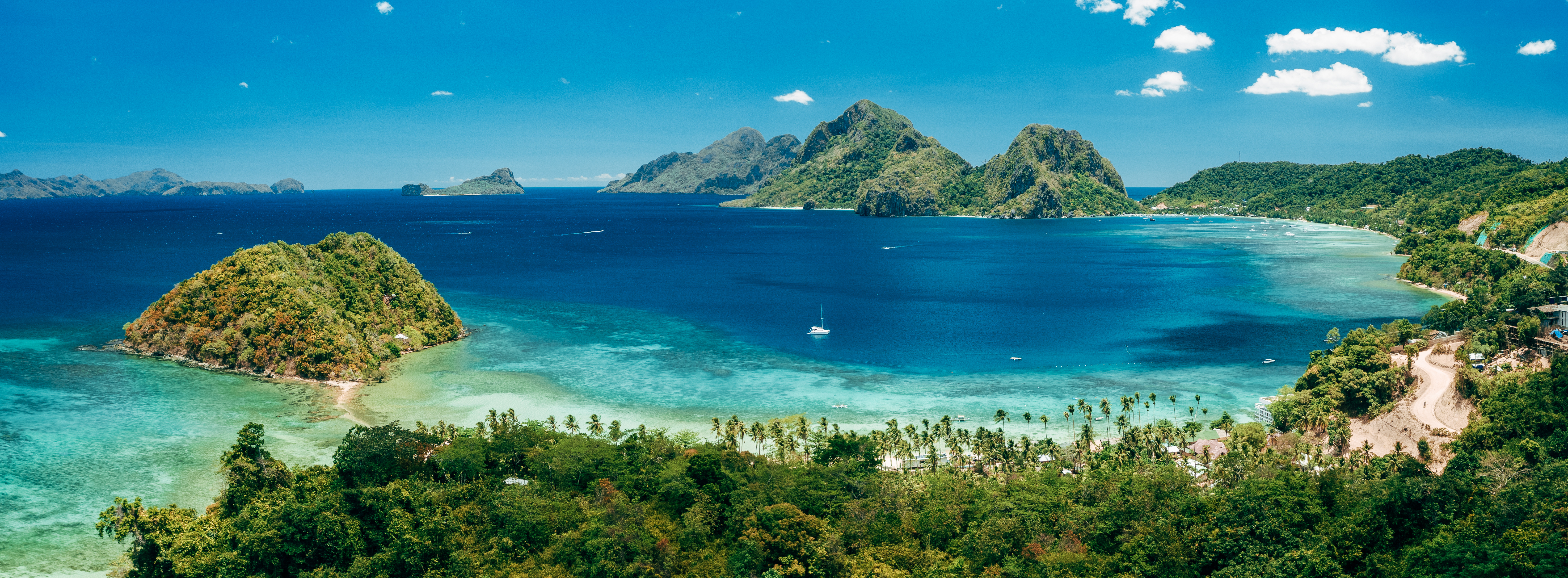
The Philippines is one of the most rewarding destinations in Asia for Australians and New Zealanders — Palawan has been ranked the world’s best beach destination, Boracay is one of Southeast Asia’s most famous party and snorkel beaches, Cebu and Bohol offer world-class diving, and Siargao is the surfing capital of the Philippines
Daily budgets are genuinely affordable — budget travellers can live comfortably on USD $27-45 per day; mid-range on USD $54-108; the food is excellent, English is widely spoken, and locals are famously warm and welcoming
The Philippines is 7,641 islands, a culture that is half Southeast Asia and half something entirely its own, and one of the easiest destinations for Australians and New Zealanders to visit. English is an official language. The entry requirements are simple. The beaches are world-class. And the people are among the warmest you will encounter anywhere in the region.
Here is everything you need to know before you go.
Visa and entry requirements for Australians and New Zealanders
Visa-free entry — 30 days
Both Australian and New Zealand passport holders can enter the Philippines visa-free for up to 30 days under Executive Order 408. No visa application, no fee, no embassy visit required for a standard 30-day trip.
What you need:
- Passport valid for at least 6 months beyond your intended arrival date
- Return or onward ticket — airlines and Philippine immigration will check this
- eTravel registration — mandatory for all travellers (see below)
- Proof of sufficient funds — occasionally checked but rarely required in practice
eTravel registration — mandatory for all travellers
Every traveller entering or leaving the Philippines must complete free eTravel registration at etravel.gov.ph within 72 hours before arrival. It takes approximately 5 minutes, generates a QR code, and replaces the old paper arrival card.
Do not skip this. The QR code is checked at immigration. You can complete it on your phone, tablet or computer.
Extending your stay beyond 30 days
If you want to stay longer, extensions are available from the Philippine Bureau of Immigration (BI):
- First extension: 29 additional days — approximately PHP 3,030 in fees
- Further extensions: Available in blocks of 1-2 months up to a maximum of 3 years total
- ACR I-Card: Required for stays beyond 59 days — a biometric card issued by the BI
The first extension can be done at any Bureau of Immigration office across the country. Allow a morning — queues can be long at busy offices.
Best time to visit
Dry season: November to May
The dry season is the best time to visit the Philippines. December to February is peak season — clear skies, calm seas and ideal beach weather, but also higher prices and larger crowds. March to May is hot and dry — a good balance of good weather and slightly fewer tourists.
Wet season: June to October
The wet season brings heavier rainfall, particularly in the Visayas and Mindanao, and the risk of typhoons — the Philippines sits in one of the world’s most active typhoon zones. However, this does not mean the whole country is inaccessible. Palawan often has better weather than the Visayas in these months, and September-early October can be a good time for travellers willing to monitor weather forecasts.
For Australians and New Zealanders: The Philippines’ dry season (November-May) aligns with the Southern Hemisphere’s summer and school holiday period. Christmas and New Year in the Philippines is spectacular — Simbang Gabi (midnight masses), parol (lantern festivals) and extraordinary family gatherings.
Getting there
From Australia
Direct flights: Cebu Pacific, Philippine Airlines and AirAsia all operate regular direct flights from Sydney and Melbourne to Manila (MNL) and Cebu (CEB). Some routes also depart from Brisbane, Perth and Darwin.
Flight time: Approximately 7-9 hours Sydney to Manila.
Costs: Return flights from Australia range from approximately AUD $250-500 during sales to AUD $400-700 at standard rates. Book well in advance for Christmas and Easter.
Manila vs Cebu: Manila is the main international hub with the most flight options. Fly into Cebu if you plan to spend most of your time in the Visayas (Bohol, Siargao, Camiguin) — it saves a domestic connection and a day of transit.
From New Zealand
No direct flights operate between New Zealand and the Philippines. Connections are available via Singapore, Hong Kong, Kuala Lumpur and other Asian hubs.
Flight time: Auckland to Manila approximately 11-12 hours including connection.
Airlines: Cebu Pacific (via Hong Kong), Philippine Airlines (via various hubs), Singapore Airlines (via Singapore), Cathay Pacific (via Hong Kong), Malaysia Airlines (via Kuala Lumpur).
Top destinations
Palawan — the world’s best island

Palawan province in the southwest Philippines is consistently ranked among the world’s top island destinations. Entalula Beach in Palawan was ranked #1 beach in the world by the World’s 50 Best Beaches 2026. El Nido and Coron are the main gateways.
El Nido: Dramatic limestone karsts, hidden lagoons and island-hopping tours. Tour A (Small Lagoon, Big Lagoon), Tour C (Entalula Beach, Secret Beach) and Tour D (Cadlao Lagoon) are the classics.
Coron: Renowned for WWII Japanese shipwreck diving, Kayangan Lake (one of the clearest in Asia) and stunning limestone scenery.
Puerto Princesa: Gateway city with the famous Puerto Princesa Subterranean River — a UNESCO World Heritage underground river navigable by boat.
Getting there: Fly to El Nido Airport (ENI) or Puerto Princesa (PPS) from Manila or Cebu. Domestic flights from PHP 1,500-4,000 (approximately AUD $40-110).
Boracay — classic beach holiday
Boracay’s White Beach is one of the most famous beaches in Southeast Asia — 4km of powder-white sand lined with beach bars, restaurants and watersports. Station 1 is quieter and more upmarket; Station 2 is the centre; Station 3 is budget-friendly.
Boracay was closed for 6 months in 2018 for environmental rehabilitation and has since recovered to a cleaner, more regulated version of itself. The party scene remains vibrant; the snorkelling and kitesurfing are excellent.
Getting there: Fly to Caticlan (MPH) or Kalibo (KLO) from Manila or Cebu, then a short boat transfer to the island.

Cebu — gateway to the Visayas
Cebu City is the second largest city in the Philippines and the transport hub of the Visayas. From Cebu you can reach Bohol (2 hours by fast ferry), Siargao (1 hour by air) and dozens of surrounding islands.

In Cebu: Magellan’s Cross (planted by Ferdinand Magellan in 1521), Basilica del Santo Niño, Sinulog Festival (January — the largest street party in the Philippines), whale shark swimming at Oslob (controversial — choose ethical operators) and Kawasan Falls canyoneering.
Mactan Island: Connected to Cebu City by bridge, home to Cebu’s international airport and good reef snorkelling.
Bohol — chocolate hills and tarsiers
Bohol is an easy 2-hour fast ferry from Cebu. The Chocolate Hills — more than 1,200 perfectly cone-shaped hills that turn chocolate-brown in the dry season — are one of the Philippines’ most recognisable landscapes. Bohol is also the home of the Philippine tarsier, one of the world’s smallest primates, with enormous eyes and a permanently startled expression.
Don’t miss: Loboc River cruise (bamboo raft lunch on the river), Panglao Island beaches and diving (particularly the Balicasag Island reef), Python Temple in Bilar.

Siargao — surf capital of the Philippines
Siargao is a teardrop-shaped island in Mindanao that has become one of Southeast Asia’s most celebrated surf and lifestyle destinations. Cloud 9 — a hollow reef break — is the Philippines’ most famous wave and hosts the annual Siargao Surfing Cup.
Non-surfers come for the island-hopping (Sohoton Lagoon, Sugba Lagoon, Naked Island), the relaxed vibe, the fresh seafood and the extraordinary number of young creative businesses (cafés, yoga studios, boutique guesthouses) that have opened in the past five years.
Getting there: Fly from Cebu or Manila to Sayak Airport (IAO). Around 1 hour from Cebu.

Manila — the capital
Manila divides opinion but rewards curiosity. Intramuros — the walled Spanish colonial city — is one of the best-preserved examples of 16th-century colonial architecture in Asia. Binondo is the world’s oldest Chinatown. Bonifacio Global City (BGC) is a modern, walkable financial district with excellent food and nightlife. The National Museum of Fine Arts houses the works of Juan Luna.

Practical note: Manila’s traffic is notorious — build in significantly more time than Google Maps suggests for any cross-city journey. Grab (the regional Uber equivalent) is the reliable way to get around.
Camiguin — the island born of fire
Camiguin is a small volcanic island off the northern coast of Mindanao — often called “the island born of fire” for its seven volcanoes rising from a landmass smaller than Singapore. It is one of the Philippines’ best-kept secrets and a favourite among travellers who have already done Palawan and Boracay and want something quieter, wilder and more authentic.

Don’t miss: White Island — a white sand sandbar accessible by bangka (traditional outrigger boat), stunning against the backdrop of Mount Hibok-Hibok volcano; Sunken Cemetery — a cross marks the site of a cemetery submerged by a volcanic eruption in the 1870s, visible by snorkelling or glass-bottom boat; Katibawasan Falls — a 76m waterfall dropping into a cool natural pool; Ardent Hot Springs — natural volcanic springs on the slopes of the volcano; Sto. Niño Cold Spring — a freshwater spring pool fed by mountain water, refreshingly cold even in the heat.
Getting there: Ferry from Balingoan on the Mindanao mainland (1.5 hours) or fly to Camiguin Airport (CGM) via Cebu. A 2-hour fast ferry also connects Cebu to Benoni port on Camiguin.
When to visit: October to May. Camiguin’s Lanzones Festival (third week of October) celebrates the island’s famous lanzones fruit with street dancing, parades and community feasting — one of the most charming provincial festivals in the Philippines.
Getting around
Domestic flights: Essential for island-hopping. Cebu Pacific, Philippine Airlines and AirAsia all operate extensive domestic networks. Book 4-6 weeks ahead for the best prices (PHP 800-4,000 one-way, approximately AUD $22-110).
Fast ferries: Oceanjet and 2GO Travel connect many Visayas islands. Cebu to Bohol: 2 hours. Cebu to Camiguin: 4 hours. Faster and often more scenic than flying for shorter distances.
Grab: The region’s dominant ride-hailing app — works in Manila, Cebu, Davao and most major cities. Essential for reliable, metered transport. Download before you arrive.
Jeepneys: Colourfully decorated shared minibuses — the Philippines’ most iconic transport. PHP 9-15 per ride. Increasingly being replaced by modern e-jeepneys in larger cities.
Tricycles: Three-wheeled motorbike taxis — the standard transport in smaller towns and islands. Always agree on the price before you board: PHP 20-50 for short hops.
Local SIM: Buy a Globe or Smart SIM at the airport — both are available at NAIA Terminal 1, 2 and 3 immediately after arriving. Data plans from PHP 299 (approximately AUD $8) for 30 days. Far cheaper than roaming.
Money and costs
Currency: Philippine peso (PHP). As of mid-2026, approximately AUD $1 = PHP 36; NZD $1 = PHP 34.
Daily budgets:
| Budget level | Daily spend | What you get |
|---|---|---|
| Budget | USD $27-45 | Guesthouses, local food, shared transport |
| Mid-range | USD $54-108 | Comfortable hotels, restaurants, domestic flights |
| Luxury | USD $180+ | Beach resorts, private transfers, fine dining |
ATMs: Available in all cities and major tourist areas. Less reliable on smaller islands — carry enough cash before heading to Siargao, Coron or remote Palawan.
Cards: Visa and Mastercard accepted at hotels, restaurants and larger businesses. Cash is king in markets, tricycles, smaller restaurants and remote areas.
GCash: If you are visiting Filipino family, GCash is the dominant mobile payment platform in the Philippines — your family can use it for everything from bills to shopping. See our guide: What is GCash? →
Food and drink
Filipino food is one of Southeast Asia’s most underrated cuisines — deeply savoury, vinegar-forward and built around communal sharing.
Must eat:
- Adobo — chicken or pork braised in vinegar, soy sauce, garlic and bay leaves; the national dish
- Sinigang — sour tamarind soup with pork, shrimp or milkfish; deeply comforting
- Lechon — whole roast pig; the centrepiece of every celebration
- Kare-kare — oxtail in peanut sauce with vegetables; always served with fermented shrimp paste (bagoong)
- Sisig — sizzling chopped pork cheek and offal with egg, typically served on a hot cast iron plate
- Halo-halo — shaved ice dessert with leche flan, ube, beans, jackfruit, evaporated milk; the definitive Filipino dessert
Street food: Fish balls, kwek-kwek (battered quail eggs), isaw (grilled chicken or pork intestines), balut (fertilised duck egg — for the adventurous) from street vendors throughout Metro Manila and Cebu City.
Practical tips
English: The Philippines is one of the most English-proficient countries in Asia — virtually all Filipinos speak English, signage is in English and navigating the country without Tagalog is entirely straightforward.
Safety: Exercise normal caution in Metro Manila and Cebu. The Smartraveller and Safetravel websites (Australia and NZ respectively) recommend exercising increased caution in Mindanao due to ongoing security concerns in some areas. Check current advisories before visiting Mindanao destinations.
Electricity: 220V, Type A/B outlets (same as USA). Australian and NZ plugs require an adaptor.
Tipping: Not mandatory but appreciated — PHP 50-100 for restaurant service, PHP 50 for hotel staff, round up for taxis.
Bargaining: Expected at markets; fixed prices at malls and supermarkets.
Filipino culture — dos and don’ts
Understanding Filipino culture transforms a good trip into an extraordinary one. The Philippines is the most Westernised country in Asia — English is an official language, American and Spanish cultural influences run deep — yet it retains deeply Asian values centred on family, respect and community harmony. A little cultural awareness goes a long way.
Things to do
Use “po” and “opo” when speaking to elders The Tagalog particles “po” and “opo” (added to sentences when speaking respectfully) are among the most appreciated gestures a foreigner can make. “Salamat po” (thank you, sir/ma’am) and “opo” (yes, respectfully) will earn you enormous goodwill. Use them when speaking to elders, security guards, drivers and anyone you want to show respect to.
Perform the mano gesture with elders The mano (from the Spanish for “hand”) is the traditional gesture of respect toward elders — gently taking an elder’s hand and bringing it to your forehead while saying “Mano po.” If you are welcomed into a Filipino family home, you may be expected to perform this with grandparents and older relatives. It signals humility and filial respect.
Remove your shoes when entering homes Always remove your shoes before entering a Filipino home unless the host explicitly asks you to keep them on. Look for a pile of footwear at the entrance — that is your cue.
Accept offered food Filipinos express love and hospitality primarily through food. Accepting at least a small amount of any offered dish is a gesture of respect. Declining outright — particularly when offered food by a host family — can cause offence.
Smile and engage warmly Filipinos are among the warmest and most hospitable people in the world. Smiling, making eye contact and genuinely engaging with people you meet — market vendors, tricycle drivers, restaurant staff — is deeply appreciated. The “Filipino smile” is not just politeness; it is an invitation to connection.
Dress modestly at churches and rural areas Cover shoulders and knees when visiting churches, government offices and rural areas. Beach towns and cities are more relaxed. The Philippines is the most Catholic country in Asia — churches are active, living places of worship, not tourist attractions.
Learn a few Filipino phrases Even imperfect pronunciation earns a smile:
- Salamat — Thank you
- Magandang umaga — Good morning
- Masarap — Delicious
- Kamusta? — How are you?
- Oo / Hindi — Yes / No
Things not to do
Don’t point with your index finger Pointing at a person with your index finger is considered rude in the Philippines. Filipinos instead point subtly with their lips — a barely perceptible pout or nod in the direction they mean. Use an open hand gesture if you need to point something out.
Don’t raise your voice or express anger publicly The concept of “hiya” (roughly translated as shame or social embarrassment) and “pakikisama” (maintaining harmonious relationships) mean that direct confrontation, raised voices and public anger are deeply uncomfortable for Filipinos. If something goes wrong — a hotel issue, a wrong order — calmly and politely raising the concern will get results far faster than frustration.
Don’t assume a smile means agreement Filipinos smile even when uncomfortable, confused or wanting to decline. A smile does not always mean “yes” — it often means “I am being polite and do not want to cause you discomfort.” If you are unsure of an answer, gently clarify.
Don’t be surprised by “Filipino time” “Filipino time” is the cultural norm of arriving 15-60 minutes late to social events. This is not disrespectful — it is simply cultural. Official appointments, transport and business meetings generally run on time; social gatherings may not.
Don’t touch someone’s head The head is considered the most sacred part of the body — touching or patting a Filipino’s head (including children’s) without explicit permission is disrespectful.
Don’t discuss politics in strong terms Philippine politics is passionate and complex. As a visitor, tread carefully in political conversations — listen more than you speak, and avoid strong opinions on current politicians or events.
Don’t litter Environmental awareness is growing rapidly in the Philippines, particularly around its marine environments. Littering on beaches and in communities is both illegal in many areas and genuinely offensive to local communities who take pride in their places.
Cultural experiences worth seeking out
Attend a fiesta: Every barangay (neighbourhood) and town in the Philippines has an annual fiesta honouring its patron saint — typically with live music, street dancing, enormous shared meals, beauty pageants and general joyful chaos. If your visit coincides with a local fiesta, attend. You will likely be invited to eat with strangers. Accept.
Try eating with your hands (kamayan): Kamayan is the traditional Filipino practice of eating with hands — no cutlery, food laid directly on banana leaves. Many Filipino restaurants (particularly those serving traditional provincial food) offer kamayan dining. It is communal, social and delicious.
Join a Sunday church service: The Philippines’ Catholic tradition is unlike anything in Australia or New Zealand — deeply felt, visually rich and embedded in daily life. Attending a Sunday Mass (even as a respectful observer) gives insight into the culture that no museum can provide.
Visit a wet market: The wet market (palengke) — not the supermarket — is where Filipino daily food culture lives. Meat, fish, vegetables and tropical fruit at prices a fraction of tourist restaurants, alongside the bustle and noise of ordinary life. Go early (before 8am) for the best selection.
Visiting the Philippines often means sending money to family who remain at home, or receiving money from family to help with trip costs. AUD and NZD to PHP transfers with OrbitRemit are among the cheapest available — fee-free for mobile wallet delivery from Australia.
If you are visiting Filipino family, they can receive money directly into GCash — no bank account required.
FAQs (frequently asked questions)
Do Australians need a visa for the Philippines?
No — Australian passport holders can enter the Philippines visa-free for up to 30 days under Executive Order 408. You need a passport valid for 6+ months, a return or onward ticket, and mandatory free eTravel registration completed within 72 hours before arrival.
Do New Zealanders need a visa for the Philippines?
No — same visa-free access as Australians. 30 days, passport valid for 6+ months, return ticket and eTravel registration required.
What is eTravel Philippines?
A free mandatory online registration for all travellers entering or leaving the Philippines. Complete it at etravel.gov.ph within 72 hours before arrival. Takes approximately 5 minutes and generates a QR code checked at immigration.
What is the best time to visit the Philippines?
November to May (dry season). December to February is peak — clear skies and calm seas. March to May is hot but less crowded. Avoid September-October for typhoon risk in most regions.
What are the best islands to visit in the Philippines?
Palawan (El Nido, Coron) for beaches and lagoons; Boracay for the classic beach holiday; Cebu for diving and city life; Bohol for the Chocolate Hills and tarsiers; Siargao for surf and lifestyle.
How much does it cost to travel the Philippines?
Budget travellers can live comfortably on USD $27-45 per day. Mid-range is USD $54-108. Domestic flights, food and accommodation are all significantly cheaper than in Australia or New Zealand.
Related guides
- What is GCash? Philippines’ mobile wallet explained →
- Moving to Australia from the Philippines →
- The 5 best eSIMs for international travel from Australia →
- The 5 best eSIMs for international travel from New Zealand →
- The 5 best SIM cards for international travel from Australia →
- The 5 best travel money cards in Australia 2026 →
- The 5 best travel money cards in New Zealand 2026 →
This guide is for general information only. Visa rules and entry requirements can change — always verify at the Philippine Bureau of Immigration (immigration.gov.ph) and Australia’s Smartraveller (smartraveller.gov.au) or NZ Safetravel (safetravel.govt.nz) before travelling. Last updated August 2026.
Sources: backpackingislife.com — Philippines Travel Guide 2026 (July 11, 2026) | ocarramedia.com — Philippines Travel Guide 2026 (1 month ago) | 1cover.co.nz — Travelling to Philippines from NZ (2026) | philippinestourism.org — Philippines Visa Requirements 2026 (June 18, 2026) | go-to-philippines.com — Philippines Travel Requirements 2026 (3 weeks ago)


