Summary
Australian and New Zealand passport holders do not need a traditional visa to visit England — but both now require a UK Electronic Travel Authorisation (ETA) before boarding — the ETA costs £20 (approximately AUD $37-39 or NZD $43-45) per person, is valid for 2 years with multiple entries, allows stays of up to 6 months and is applied for online at gov.uk or via the UK ETA app; processing is typically within 3 working days; apply before you book your flight
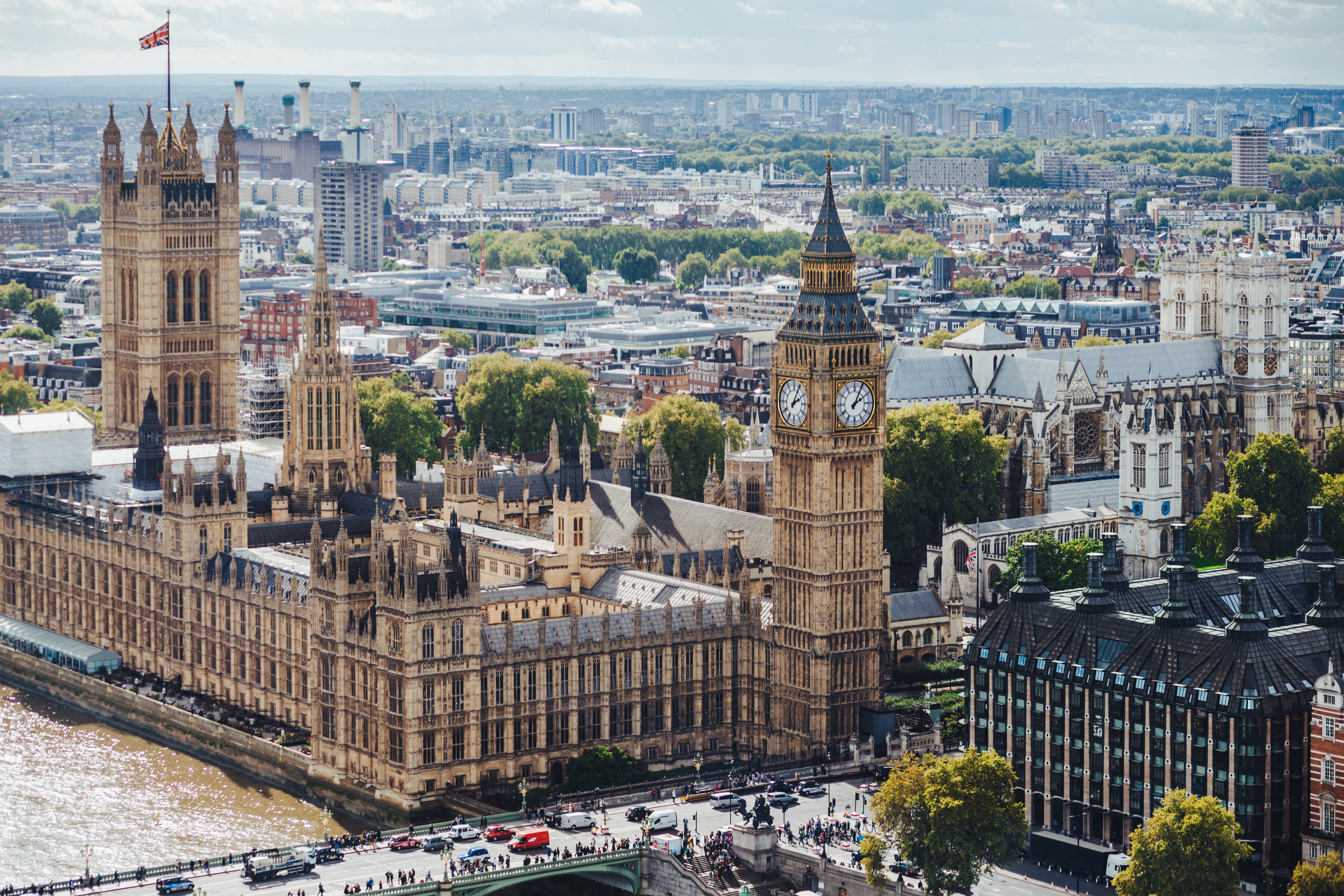
England is the second most visited destination for Australians and New Zealanders after Asia — nearly 700,000 Australians visit the UK each year, the vast majority arriving in England; London is consistently ranked among the world’s top three cities for international visitors; beyond London, England offers everything from the Roman city of Bath and the Cotswolds countryside to the Beatles’ Liverpool, Stonehenge on Salisbury Plain, the Lake District fells and the Yorkshire Dales
The best time to visit England is May to September — the warmest and driest months, with long daylight hours and the full calendar of outdoor events; July and August are peak with the highest prices and largest crowds; May, June and September offer a good balance of decent weather, manageable visitor numbers and lower accommodation costs; England is visitable year-round and winter has its own appeal — Christmas markets, cosy pubs and the full theatre and museum season
England needs no introduction. It shaped the language you speak, the legal system most Australians and New Zealanders live under, the sport you watch on Saturday afternoon and — if your family came from somewhere in the British Isles — possibly the name you carry. Coming to England from Australia or New Zealand is less a foreign trip than a strange kind of homecoming. Everything is familiar. Nothing is quite the same.
This guide covers everything you need to plan your England travel guide 2026 trip.
Visa and entry requirements — the UK ETA
ETA required for both Australians and New Zealanders
Neither Australian nor New Zealand passport holders need a traditional UK visa for short visits — but both now require a UK Electronic Travel Authorisation (ETA) before boarding any flight, ferry or train to England.
Australians: ETA mandatory from 25 February 2026 — strictly enforced; airlines must confirm ETA status before boarding.
New Zealanders: ETA mandatory since 8 January 2025.
The ETA in detail:
| Details | |
|---|---|
| Cost | £20 per person (~AUD $37-39 / ~NZD $43-45) since 8 April 2026 |
| Validity | 2 years or until passport expires — whichever comes first |
| Entries | Multiple entries permitted |
| Maximum stay | Up to 6 months per visit |
| Covers | Tourism, visiting family, business meetings, short study (under 6 months) |
| Processing time | Usually within 3 working days — apply early |
| Where to apply | gov.uk or the official UK ETA app |
| Covers | All of England, Scotland, Wales and Northern Ireland |
Every traveller needs their own ETA — including babies and children. One person can apply on behalf of another, but each passport requires a separate application.
Apply at gov.uk — not through third-party sites that charge significantly more for the same application. The official app or gov.uk website is the only source you need.
Dual citizens (Australian-British or NZ-British): From 25 February 2026, dual citizens with British or Irish citizenship cannot use an ETA on their non-British passport. You must travel on your British or Irish passport. Carry both passports if you hold dual nationality.
What the ETA does NOT allow: Paid work, long-term study (over 6 months) or settling in the UK. A separate visa is required for any of these purposes.
Best time to visit
Spring: April to June England in spring is extraordinary — daffodils across the countryside, blossom in London’s parks, the Chelsea Flower Show in May and warming temperatures (12-18°C). Crowds are manageable, flights are cheaper than summer and the days grow longer through June. The best compromise of good weather and value.
Summer: July to August The warmest months (18-24°C in London, occasionally hotter) with maximum daylight hours — sunset after 9pm in June and July. Peak tourist season: accommodation prices are highest, major attractions are busiest. Book everything well in advance.
Autumn: September to October September is arguably the best single month to visit — the summer crowds have thinned, the weather remains warm enough (15-20°C), autumn colour begins in the countryside and London’s cultural calendar is in full swing. October brings mist, golden light and excellent walking conditions in the national parks.
Winter: November to February Cold (2-8°C in London), often grey and damp — but London’s Christmas markets, ice rinks, illuminations and the full theatre season make winter genuinely appealing. Museum and gallery exhibitions are at their best. Fewer tourists. Lower accommodation prices.
Getting there
From Australia
Direct flights: Qantas operates direct Perth to London Heathrow. Most other Australian cities connect via Singapore, Dubai, Hong Kong or other hubs.
| City | Route | Airlines | Approx flight time |
|---|---|---|---|
| Perth | Direct to Heathrow | Qantas | ~17 hours |
| Sydney | Via Singapore/Dubai | Qantas, Singapore Airlines, Emirates | ~22-24 hours |
| Melbourne | Via Singapore/Dubai | Qantas, Singapore Airlines, Emirates | ~22-24 hours |
| Brisbane | Via Singapore/Dubai | Singapore Airlines, Emirates | ~22-24 hours |
Cost: Return flights from Australia typically range from AUD $1,800-$3,000 booked 3-6 months ahead. Perth is typically cheaper than east coast cities.
From New Zealand
All NZ routes connect via Australian cities or Asian hubs.
Flight time: Auckland to London approximately 24-28 hours with connection.
Cost: Return flights from Auckland typically range from NZD $2,200-$3,500 booked ahead.
Getting around England
The train network
England’s train network is extensive — and once you understand it, one of the most pleasurable ways to travel between cities.
Key routes:
- London to Bath: ~1.5 hours (Great Western Railway from Paddington)
- London to Oxford: ~1 hour (from Paddington)
- London to Cambridge: ~1 hour (from King’s Cross or Liverpool Street)
- London to Liverpool: ~2 hours (Avanti West Coast from Euston)
- London to York: ~2 hours (LNER from King’s Cross)
- London to Edinburgh: ~4.5 hours (LNER from King’s Cross)
Book in advance at Trainline or National Rail (nationalrail.co.uk) — advance fares are significantly cheaper than walk-up fares; a London to York journey bought a month ahead can cost £30-40 versus £120+ on the day.
Railcard: If under 30 or over 60, a railcard gives 1/3 off most train fares and pays for itself in one journey.
London transport — the Tube and buses
London’s Underground (the Tube) is the fastest way to get around the city. 11 lines, English signage throughout and running approximately 5am to midnight (with Night Tube on Fridays and Saturdays on select lines).

Contactless payment: Tap your Australian or New Zealand contactless debit or credit card directly on the yellow reader — no need to buy an Oyster card for most visits. The system automatically charges you the cheapest fare for the day. Works on Tube, Overground, Elizabeth line, DLR and most London buses.
The Elizabeth line: Fully integrated since 2024 — runs east to west across London, connecting Heathrow Airport to Paddington, the West End (Bond Street, Tottenham Court Road) and further east. A game-changer for getting from the airport to central London quickly.
Heathrow to central London:
- Elizabeth line: ~25-40 minutes to Paddington — approximately £12
- Heathrow Express: 15 minutes to Paddington — approximately £25 (faster, pricier)
- Tube (Piccadilly line): ~50 minutes to central London — approximately £6
Buses: London’s iconic red double-deckers are slower than the Tube but give you a view of the city. Cashless only — contactless card or Oyster card required; no cash.
Driving
England drives on the left — same as Australia and New Zealand. An international driving permit is recommended alongside your Australian or New Zealand licence.
For exploring the countryside — the Cotswolds, the Lake District, Cornwall, Yorkshire — a hire car is the most flexible option. Book in advance through an international hire company (Enterprise, Hertz, Europcar) for the best rates.
Congestion charge and ULEZ in London: Central London charges a daily congestion charge (£15) for most vehicles. The Ultra Low Emission Zone (ULEZ) covers most of Greater London — non-compliant vehicles face additional daily charges. Avoid driving in central London unless necessary.
Top destinations
London — the world city
London is one of the most visited cities on earth — and for good reason. It is a city of extraordinary density: world-class museums (most free), royal palaces, 2,000 years of history along the Thames, theatre that rivals Broadway, and neighbourhoods that feel like entirely separate villages stitched together into a vast, breathing metropolis.

The must-sees:
British Museum — Great Russell Street, Bloomsbury One of the world’s greatest museums — two million years of human history across 80 galleries. Free entry. The Rosetta Stone, the Elgin Marbles, the Sutton Hoo helmet, the Lewis Chessmen — all here, all free. In 2026, the Bayeux Tapestry makes its first-ever journey to the British Museum from Normandy — a once-in-a-generation loan.
Tower of London A UNESCO World Heritage Site and fortress, palace, prison and place of execution since 1066. The Crown Jewels are housed here — including the Imperial State Crown (worn by the monarch at the State Opening of Parliament) and the Cullinan I diamond, the largest colourless cut diamond in the world. In 2026, extended evening openings on Thursdays and Fridays allow visits after the daytime crowds thin. Book in advance and save up to 10%.
Buckingham Palace The State Rooms are open to visitors in summer (late July to October). The Changing of the Guard ceremony takes place outside the palace at 11am — free to watch from the forecourt, but arrive by 10:30am for a good vantage point.

National Gallery — Trafalgar Square One of the world’s great art collections — van Gogh’s Sunflowers, Monet’s Water-Lilies series, Turner, Vermeer, Rembrandt, da Vinci’s The Virgin of the Rocks — all free. Trafalgar Square itself is one of London’s great public spaces, with Nelson’s Column at its centre and the fountains and bronze lions that feature in every London postcard.
South Bank — Tate Modern, Shakespeare’s Globe, Borough Market The stretch of Thames south bank from Waterloo Bridge to London Bridge is London’s most concentrated cultural mile. Tate Modern (free) occupies the converted Bankside Power Station — one of the world’s great modern art galleries. Shakespeare’s Globe is a faithful reconstruction of the original 1599 theatre where Shakespeare’s plays were first performed; standing tickets (groundlings) start at £5. Borough Market (Thursday to Saturday) is London’s most celebrated food market — a labyrinth of artisan food, fresh produce and street food stalls under Victorian railway arches.
Hyde Park and Kensington Gardens 350 acres of parkland in the middle of London — the Serpentine lake, the Princess Diana memorial fountain, the Albert Memorial and the Serpentine Gallery. Free to enter. In summer, the BST Hyde Park concerts bring major international artists to an open-air stage.

Notting Hill and Portobello Road Market West London’s most photogenic neighbourhood — pastel-painted Victorian townhouses, the famous Portobello Road antiques and vintage market (Saturday is the biggest day) and the cafés and restaurants of Westbourne Grove. The Notting Hill Carnival (August Bank Holiday weekend) is Europe’s largest street festival.

The West End — theatre London’s West End is the world’s greatest concentration of live theatre. The National Theatre (South Bank), the Old Vic, the Donmar Warehouse and 40+ commercial theatres in and around Shaftesbury Avenue and Covent Garden. TKTS booth in Leicester Square sells discounted same-day tickets from 10am daily — ideal for spontaneous theatre without paying full price.
East London — Shoreditch, Spitalfields, Columbia Road The creative heart of London — street art, independent restaurants, vintage clothing markets (Spitalfields on Sunday, Brick Lane), the Columbia Road Flower Market (Sunday mornings) and the street food of Old Spitalfields Market. Less polished than the West End; more alive.
Bath — the Roman city
Bath is one of England’s most beautiful cities — built almost entirely in honey-coloured Georgian limestone, centred on the only natural hot springs in Britain and the remarkably intact Roman Baths complex (73 CE). A UNESCO World Heritage Site. Two hours from London by train from Paddington.

The Roman Baths: The best-preserved Roman bathing complex in northern Europe — a first-century temple, sacred spring and bathing chamber still fed by the same geothermal spring that the Romans used. Audio guides are excellent. Book in advance.
The Royal Crescent: John Wood’s masterpiece of Georgian architecture — a sweeping semicircle of 30 terraced houses completed in 1774. Walk the lawn in front, visit No. 1 Royal Crescent (open as a museum of Georgian life) and take the obligatory photograph.
Thermae Bath Spa: The only place in Britain where you can bathe in naturally warm mineral water as the Romans did — a modern spa complex directly above the Roman spring. The rooftop pool with views over Bath’s skyline is genuinely extraordinary. Book the rooftop session well in advance.
Day trip from London: Bath is perfect as a day trip — or combine with Stonehenge (20 minutes from Salisbury, 40 minutes from Bath by car or tour) for a full day trip from London.
Oxford — the city of dreaming spires
Oxford is one of the world’s oldest and most beautiful university cities — a compact medieval city of 39 college buildings, spires, quadrangles, covered markets and riverside meadows. 1 hour from London Paddington.

The Bodleian Library: One of Europe’s oldest libraries — founded in 1602 and housing 13 million items. The Divinity School (15th century) and the Radcliffe Camera (1749) are among the most photographed buildings in England.
Christ Church College and Cathedral: The largest and grandest of Oxford’s colleges — Christ Church Hall served as the inspiration for Hogwarts’ Great Hall in the Harry Potter films. The college’s cathedral is England’s smallest cathedral.
Punting on the Cherwell: Hiring a punt and navigating Oxford’s river meadows on a warm afternoon is one of England’s most quintessential summer experiences.
Blenheim Palace: 8 miles from Oxford — the birthplace of Winston Churchill and one of England’s grandest stately homes; a UNESCO World Heritage Site surrounded by Capability Brown parkland. Day trip or tour from Oxford.
Cambridge — the other university city
Cambridge is Oxford’s great rival — and in many ways its equal. The University of Cambridge, founded in 1209, is home to 31 colleges spread across a compact city of medieval courts, gothic chapels and riverside meadows. 1 hour from London King’s Cross or Liverpool Street.

King’s College Chapel: One of the finest examples of Gothic architecture in the world — a soaring stone chapel begun in 1446 and completed in 1544, with the largest fan-vaulted ceiling ever constructed and the famous stained glass windows designed by Henry VIII’s glaziers. The King’s College Choir is world-renowned; attend Evensong (free, most days during term) for one of England’s most transcendent experiences.
The Backs: The stretch of river behind the colleges — King’s, Clare, Trinity, St John’s — where manicured lawns run down to the River Cam. Punting along the Backs is the definitive Cambridge experience; hire a punt from the Scudamore’s punting station and navigate past the Bridge of Sighs (St John’s) and the Mathematical Bridge (Queens’).
Trinity College: The largest and wealthiest of Cambridge’s colleges — founded by Henry VIII in 1546. Alumni include Isaac Newton, Francis Bacon, Lord Byron and a remarkable 31 Nobel Prize winners. The Wren Library (open to visitors on weekday afternoons) contains Newton’s personal copy of Principia Mathematica.
The Fitzwilliam Museum: Cambridge’s great art museum — free entry, housing one of the finest collections of antiquities, paintings and decorative arts outside London. Egyptian sarcophagi, Greek vases, Titian, Rubens, Constable, Monet.
Grantchester: A 45-minute punt or 30-minute walk from central Cambridge — a village meadow made famous by the poet Rupert Brooke and now home to the Orchard Tea Garden, where Edwardians including Virginia Woolf, Bertrand Russell and E.M. Forster once took afternoon tea. Still one of England’s most idyllic spots.
Getting there: Train from London King’s Cross (~1 hour) or Liverpool Street (~1.5 hours) via Cambridge North. Cambridge is also easily combined with a day trip to Ely Cathedral (20 minutes by train) — a Norman cathedral rising dramatically from the flat Fenland landscape.
The Cotswolds — England’s countryside
The Cotswolds is a designated Area of Outstanding Natural Beauty stretching across six counties — a landscape of honey-stone villages, church spires, dry-stone walls, sheep-grazed hills and winding lanes. The most photographed countryside in England.

Key villages: Bourton-on-the-Water (the “Venice of the Cotswolds”), Burford, Chipping Campden, Bibury (Arlington Row — one of the most photographed streets in England), Bourton-on-the-Hill, Stow-on-the-Wold and the market town of Cirencester.
Getting there: Best by hire car from London (approximately 1.5-2 hours to the central Cotswolds). Alternatively, train to Moreton-in-Marsh from Paddington (1.5 hours) and hire a bike or take local buses.
Best season: Spring (April-May) for daffodils and blossoms, and autumn (September-October) for golden light. Summer is the busiest — Bourton-on-the-Water in August can feel crowded.
Stonehenge and Salisbury
Stonehenge is England’s most iconic prehistoric monument — a circle of standing stones on Salisbury Plain, constructed in phases between approximately 3000 BCE and 1500 BCE. The purpose of the stones has never been definitively established; the most widely accepted theories relate to solar alignment (the stones align precisely with the midsummer sunrise and midwinter sunset) and ancestral ceremony.

Visitors walk a path around the stones (close approach is restricted) with audio guides narrating the archaeology. Book tickets in advance — Stonehenge is managed by English Heritage and timed entry is required.
Nearby: Salisbury Cathedral (13th century; houses one of the four surviving copies of Magna Carta) is 10 miles away and excellent for a combined visit.
Liverpool — the Beatles city
Liverpool is one of England’s great cities — a UNESCO World Heritage Site waterfront (the Pier Head, Albert Dock, and Three Graces buildings), a world-class music scene and the birthplace of The Beatles.
The Beatles Story — Albert Dock: The world’s most successful permanent Beatles exhibition — an audio-guided journey through the band’s story from the Cavern Club to Abbey Road. Albert Dock itself (a restored Victorian warehouse complex) houses galleries, restaurants and the Tate Liverpool modern art gallery.
The Cavern Club — Mathew Street: Where The Beatles played 292 times between 1961 and 1963. A live music venue today — bands play from noon to late. The atmosphere is genuine. Go for the music as much as the heritage.
Anfield and Goodison Park: Liverpool FC’s Anfield and Everton’s Goodison Park are within walking distance of each other in the north of the city. Stadium tours run most days — book in advance.
Getting there: 2 hours from London Euston by Avanti West Coast train.
The Lake District — England’s finest landscape
The Lake District in Cumbria is England’s largest national park — a landscape of glacial lakes, bare fells, stone villages and waterfalls that inspired Wordsworth, Beatrix Potter and Alfred Wainwright. A UNESCO World Heritage Site since 2017.

Windermere: England’s largest natural lake — 10.5 miles long, surrounded by wooded hillsides. Windermere town and the nearby village of Bowness-on-Windermere are the main visitor bases. Lake cruises, kayaking, wild swimming and walking trails directly from the village.
Scafell Pike: England’s highest mountain at 978m — a full day hike from Wasdale Head; the summit gives views across to Scotland on a clear day.
Grasmere: Wordsworth’s village — the Dove Cottage where he wrote much of his finest poetry is open as a museum; Grasmere gingerbread (made to a secret recipe since 1854) is sold from a tiny shop by the churchyard.
Ambleside and Hawkshead: Two of the most picturesque Lake District villages — Hawkshead was Wordsworth’s schoolboy home; Ambleside is the main outdoor equipment and walking base for the central Lakes.

Getting there: Train from London Euston to Oxenholme (2 hours, Avanti West Coast), then local train to Windermere. Or train to Penrith and hire a car.
Cornwall — England’s wild southwest
Cornwall is England’s most dramatically beautiful coastline — a peninsula jutting 75 miles into the Atlantic at England’s southwestern tip, with sea cliffs, surf beaches, hidden coves and fishing villages clinging to steep hillsides. England’s most popular domestic holiday destination.

St Ives: A whitewashed harbour town of cobbled streets, golden beaches and exceptional seafood. The Tate St Ives gallery sits on the clifftop above Porthmeor Beach; the Barbara Hepworth Sculpture Garden (Hepworth’s studio until her death in 1975) is one of England’s finest small museums.
The Eden Project: Two extraordinary biomes in a former china clay quarry near St Austell — the world’s largest indoor rainforest and a Mediterranean biome surrounded by outdoor gardens. Book in advance.
Newquay: England’s surf capital — Fistral Beach has consistent Atlantic swells and a full surf school scene. Perranporth and Sennen Cove offer excellent surfing with fewer crowds.
Padstow: A fishing village transformed by Rick Stein’s seafood restaurants, fish and chip shop and deli — England’s premier food destination outside London. Book the Seafood Restaurant weeks ahead in summer.
The Minack Theatre: An open-air cliff theatre above Porthcurno Beach, carved from granite by Rowena Cade from 1932. Summer productions run June to September — one of England’s most extraordinary settings.
Getting there: Train from London Paddington to Penzance approximately 5 hours (GWR) — the route along the Dawlish sea wall is one of England’s great rail journeys. By car: 5-6 hours on the A30. Best visited June or September to avoid the August peak.
York — the walled city
York is England’s most complete medieval city — 13th-century city walls still walkable in their entirety, a Norman castle, the extraordinary Gothic Minster (the largest Gothic cathedral in northern Europe) and one of England’s most atmospheric old streets in The Shambles (a medieval butcher’s lane now lined with independent shops and tea rooms).

York Minster: The largest Gothic cathedral in northern Europe — its Great East Window is the world’s largest expanse of medieval stained glass. Free to walk the exterior; entry fee for the interior.
The Shambles: A preserved medieval street of timber-framed buildings leaning over a cobbled lane. The inspiration (in part) for Diagon Alley in the Harry Potter films.
Jorvik Viking Centre: A recreation of the Viking settlement discovered beneath York in the 1970s — one of England’s most immersive history experiences.
Getting there: 2 hours from London King’s Cross by LNER train.
Food and drink
English food in 2026 is not what it was. London in particular has become one of the world’s great dining cities — with more Michelin-starred restaurants than most other cities outside France and Japan, a street food scene that rivals anywhere in Asia and a pub culture that remains one of England’s most enduring pleasures.

The classics:
Fish and chips: Battered white fish (cod or haddock) with thick-cut chips, wrapped in paper, seasoned with salt and malt vinegar. At its best at a seaside chippy in Whitby, Robin Hood’s Bay or on a pier. In London, look for proper chippies (Rock & Sole Plaice in Covent Garden, Poppies in Spitalfields) rather than tourist traps.

The Full English breakfast: Bacon, eggs (fried, scrambled or poached), sausages, baked beans, grilled tomato, mushrooms and toast. The institution of British morning life. Available at any café, pub or hotel — the quality varies enormously.

The Sunday Roast: Roasted meat (beef, lamb, chicken or pork), roast potatoes, Yorkshire pudding, seasonal vegetables and gravy. Available at most pubs from noon on Sundays. One of England’s most genuine culinary traditions.

Afternoon tea: Tea, finger sandwiches, scones with clotted cream and jam, and small cakes. Available at every major London hotel — the Ritz, Claridge’s, Fortnum & Mason — and at tea rooms across the country. Book well in advance for the famous establishments.

The pub: Central to English social life for centuries — a warm room, real ale (cask-conditioned English beer), pub quizzes on Tuesdays and a culture of lingering that no coffee shop has replicated. The best pubs are found on side streets rather than tourist drags. Ask a local.
Indian food: England’s most beloved cuisine — the British Indian curry is a cultural institution; Birmingham’s Balti Triangle and London’s Brick Lane are pilgrimage sites. The chicken tikka masala, often called Britain’s national dish, was invented in Glasgow but perfected in Birmingham.

Money and costs
Currency: British Pound Sterling (GBP) — £. As of mid-2026, approximately AUD $1 = £0.52; NZD $1 = £0.45.
Daily budgets:
| Budget level | Daily spend | What you get |
|---|---|---|
| Budget | AUD $150-200 | Hostel, self-catering, free museums, pub meals |
| Mid-range | AUD $280-450 | Hotel or Airbnb, restaurants, day trips by train |
| Luxury | AUD $600+ | Central London hotel, fine dining, private tours |
London is one of Europe’s most expensive cities — accommodation costs in particular are very high by global standards. Edinburgh and the regional cities (Bath, Liverpool, York) are typically 30-50% cheaper than London for accommodation.
Free in London: The British Museum, the National Gallery, the Tate Modern, the Tate Britain, the Natural History Museum, the Science Museum, the Victoria and Albert Museum, the National Portrait Gallery, the National Maritime Museum (Greenwich) — all free. The parks are free. The street markets are free. A full day of culture in London costs nothing but the Tube fare.
Tipping: Not mandatory — 10-12.5% is standard in restaurants if service is not included; check the bill as many London restaurants add a service charge automatically. Tipping in pubs is not expected.
Practical tips
Power: Type G plugs — the large three-pin rectangular plug used in the UK and Hong Kong. Bring an adapter or buy one on arrival.
Phone: Your Australian or New Zealand SIM will work in England but roaming charges apply. For longer stays, buy a UK SIM card (EE, Vodafone, Three, O2) at any phone shop — unlimited data plans from approximately £15-20 per month.
Weather: Always pack a light waterproof jacket regardless of season. England’s weather changes rapidly and rain is possible at any time of year — even August. Layers are the appropriate strategy.
Healthcare: Australia and New Zealand both have reciprocal healthcare agreements with the UK — Australians and New Zealanders can access NHS treatment for emergencies at no cost. Travel insurance is still strongly recommended for non-emergency treatment, dental and repatriation.
Safety: The UK Smartraveller advisory is Exercise Normal Safety Precautions. England is a very safe destination for Australian and New Zealand travellers. Standard urban precautions apply in London — be aware of pickpockets on the Tube and in tourist areas.
What it means for your transfers
England is home to the largest Australian and New Zealand diaspora communities outside Australasia — over 1.3 million Australians and New Zealanders live in the UK, many of them sending money home regularly.
AUD to GBP and NZD to GBP transfers are completely fee-free with OrbitRemit from Australia and New Zealand — no transfer fee and no exchange rate markup, with the rate locked at confirmation.
FAQs (frequently asked questions)
Do Australians need a visa to visit England?
No traditional visa — but a UK ETA (Electronic Travel Authorisation) is mandatory from 25 February 2026. Cost: £20 per person. Valid 2 years. Apply at gov.uk before travel.
Do New Zealanders need a visa to visit England?
No traditional visa — a UK ETA has been mandatory since 8 January 2025. Cost: £20 per person. Valid 2 years. Apply at gov.uk before travel.
How long can Australians and New Zealanders stay in England?
Up to 6 months per visit on an ETA. Cannot be extended.
What is the best time to visit England?
May to September for the warmest and driest weather. May, June and September offer the best balance of good weather and manageable crowds. July and August are peak — highest prices, most visitors.
How do I get from London Heathrow to central London?
The Elizabeth line (Tube) takes 25-40 minutes to Paddington and costs approximately £12. The Heathrow Express takes 15 minutes and costs approximately £25.
Are London museums really free?
Yes — the British Museum, National Gallery, Tate Modern, Natural History Museum, Science Museum, Victoria and Albert Museum and National Portrait Gallery are all free to enter. Most temporary exhibitions charge a fee.
Do I need an adapter for England?
Yes — England uses Type G plugs (large three-pin rectangular). Australian and New Zealand plugs are not compatible. Buy a UK adapter before you leave or on arrival at any electronics shop.
Related guides
- Scotland travel guide 2026 →
- The 5 best eSIMs for international travel from Australia →
- The 5 best eSIMs for international travel from New Zealand →
- The 5 best travel money cards in Australia 2026 →
- The 5 best travel money cards in New Zealand 2026 →
- European currencies: a complete guide →
Visa requirements, ETA fees and entry conditions are subject to change — always verify at gov.uk and Smartraveller (smartraveller.gov.au) or Safetravel (safetravel.govt.nz) before travelling. Last updated September 2026.
Sources: jetpacglobal.com — United Kingdom Visa for Australians 2026 (July 16, 2026) | olavisa.com.au — UK ETA for Australians 2026 (July 31, 2026) | schengentraveler.com — UK ETA for Australians (July 29, 2026) | gomate.com — New Zealand to United Kingdom Visa 2026 | ukvisa.blog — UK ETA 2026 (3 days ago) | visaeta.uk — UK ETA for Australian Citizens 2026 (April 14, 2026) | nomadicmatt.com — England Travel Guide 2026 (March 27, 2026) | visitlondon.com — Best things to do in London 2026 (September 2, 2026) | tourismattractions.net — London Travel Guide 2026 (March 26, 2026)


