Summary
Most Australian visa fees rose approximately 25% from 1 July 2026 — the biggest single increase in decades; partner visa now AUD $11,710, student visa $2,500, skilled visas $6,135–$6,140, and working holiday (417/462) up to $840 for first applications and $1,000 for second and third.
Two visas rose over 200% — Bridging Visa B jumped from $190 to $575 (+203%) and the Resident Return Visa from $490 to $1,475 (+201%), catching many existing residents off guard.
The fee applies to applications lodged on or after 1 July 2026 — if you lodged before that date, the old fee applies regardless of when a decision is made; fees are non-refundable even if your application is refused.
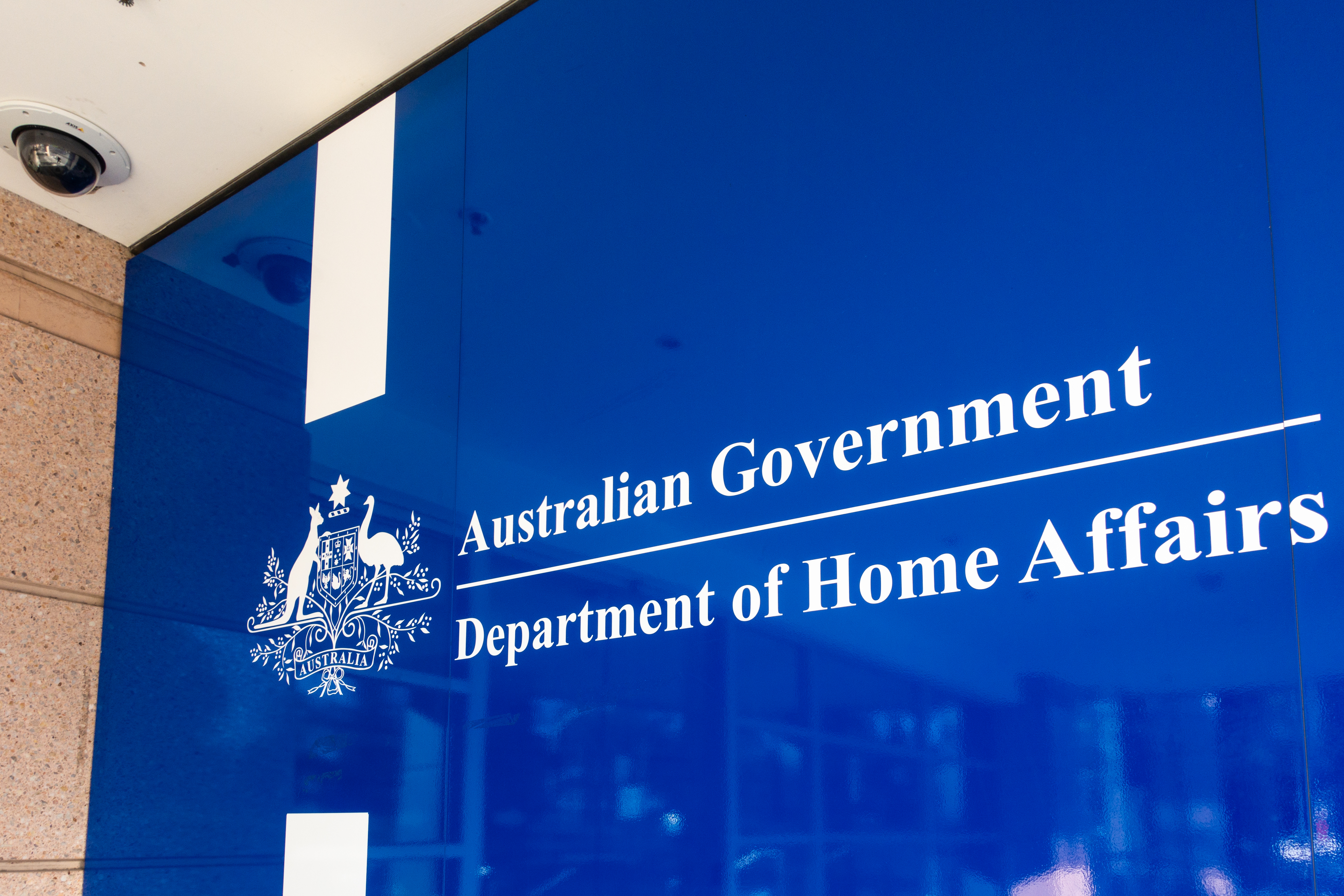
On 1 July 2026, the Department of Home Affairs updated Australia’s visa pricing table — and the increase was anything but routine. Most Australian visa application charges rose by approximately 25% in a single step, roughly eight times the usual 2–5% annual adjustment tied to the Consumer Price Index.
For migrants planning to study, work, reunite with family, or settle permanently in Australia, the costs just changed materially.
What changed and why
Every year on 1 July, Australia adjusts visa application charges — historically a modest increase in line with inflation. The 2026 increase broke that pattern significantly, following the direction set in the 2026-27 Federal Budget handed down on 12 May 2026.
Two reasons drove it: raising budget revenue, and using fees as a lever to push net migration numbers down. The government’s own budget forecasts Net Overseas Migration falling to 245,000 in 2026-27 and 225,000 in 2027-28 — down roughly 45% from the 2022-23 peak of approximately 518,000.
The new fees apply to applications lodged on or after 1 July 2026. Applications lodged before 1 July 2026 are assessed under the previous fee schedule, regardless of when a decision is made.
The new visa fees: what you will pay from 1 July 2026
| Visa | Old fee | New fee | Change |
|---|---|---|---|
| Student visa (subclass 500) | AUD $2,000 | AUD $2,500 | +25% |
| Temporary Graduate visa (subclass 485) | AUD $4,600 | AUD $5,750 | +25% |
| Partner visa (subclass 820/801 or 309/100) | AUD $9,365 | AUD $11,710 | +25% |
| Skilled Independent visa (subclass 189) | ~AUD $4,908 | AUD $6,135 | +25% |
| Skilled Nominated visa (subclass 190) | ~AUD $4,908 | AUD $6,140 | +25% |
| Skilled Work Regional visa (subclass 491) | ~AUD $4,908 | AUD $6,140 | +25% |
| Employer Nomination Scheme (subclass 186) | ~AUD $4,908 | AUD $6,140 | +25% |
| Skills in Demand visa (subclass 482) — Core Skills | ~AUD $3,115 | AUD $4,015 | +25% |
| Working Holiday visa (subclass 417) — first application | AUD $670 | AUD $840 | +25% |
| Working Holiday visa (subclass 417) — second/third application | AUD $670 | AUD $1,000 | +49% |
| Work and Holiday visa (subclass 462) — first application | AUD $670 | AUD $840 | +25% |
| Work and Holiday visa (subclass 462) — second/third application | AUD $670 | AUD $1,000 | +49% |
| Tourist/visitor visa (subclass 600) | AUD $200 | AUD $250 | +25% |
| Bridging Visa B (subclass 010) | AUD $190 | AUD $575 | +203% |
| Resident Return visa (subclass 155/157) | AUD $490 | AUD $1,475 | +201% |
Base application charges for primary applicants only. Additional applicant charges apply for partners and dependants. Always confirm the exact fee using the Department of Home Affairs Visa Pricing Estimator before lodging.
The biggest jumps — and who they affect
Working Holiday and Work and Holiday visas — repeat applications up 49%
Both the subclass 417 (Working Holiday) and subclass 462 (Work and Holiday) rose from $670 to $840 for first applications (+25%). But the bigger impact is on second and third applications — which rose from $670 to $1,000 (+49%). This is a deliberate policy signal targeting repeat “visa churn” through extended backpacker stays. Eligible Pacific Island nation applicants continue to receive concessional rates.
Temporary Graduate visa (subclass 485) — up 150% since early 2026
The subclass 485 has now increased twice within a year: it doubled to $4,600 in March 2026, then rose a further 25% to $5,750 on 1 July 2026 — a combined increase of roughly 150% since early 2026. International students who complete their studies and want to stay in Australia to work face a substantially higher cost than those who graduated just one year earlier.
Partner visa (subclass 820/801) — now $11,710
The primary applicant base charge for a Partner visa (820/801 or 309/100) rose from $9,365 to $11,710. For families separated across borders, reuniting in Australia now comes with a significantly higher upfront cost — before adding medical examinations, police checks, and professional migration agent fees.
Bridging Visa B and Resident Return — up over 200%
Bridging Visa B (+203%, from $190 to $575) and Resident Return (+201%, from $490 to $1,475) rose far more steeply than the roughly 25% increase applied to most mainstream visa categories. These visas affect people who are already in Australia and need to travel — the dramatic increase catches many existing residents off guard.
What was not affected
Two categories were left untouched:
- eVisitor visa (subclass 651): Still free for eligible passport holders (EU, UK, US and others for tourism/business)
- Electronic Travel Authority (subclass 601): Still approximately AUD $20
Pacific Island concessions also remain: eligible Pacific Island country and Timor-Leste citizens, and in some cases ASEAN member countries, continue to receive concessional visa application charges.
Other changes from 1 July 2026
Beyond the fee increases, several other important changes took effect:
Salary thresholds increased: The salary threshold for employer-sponsored visas increased to $79,423. For the high-income Specialist Skills stream, the threshold increased to $146,576.
Working holiday age limit expanded: From 1 July 2026, citizens of Finland, Germany, Cyprus and the Republic of Korea can now access the subclass 417 Working Holiday Visa up until the age of 35 — an increase from the previous 30-year age limit.
Migration Program: The permanent Migration Program for 2026-27 remains at 185,000 places, with approximately 58,000 places allocated to employer-sponsored visas.
What this means for you
If you are planning to apply for a visa: The fee is set by the date your application is received by the Department of Home Affairs — not when you begin preparing it. If you lodged before 1 July 2026, the old fee applies. If you lodge from 1 July 2026 onwards, the new fee applies.
If you already hold a visa: The new fees do not affect your existing visa. They only apply to new applications.
If you are supporting family members applying to join you: Partner, student and skilled visa costs have all increased materially. Factor the new fees into your financial planning.
Visa fees are non-refundable. Visa application charges are non-refundable in most circumstances, even if your application is refused or withdrawn. Getting your application right the first time matters more than ever at these price points.
FAQs (frequently asked questions)
When did Australian visa fees increase?
Most Australian visa application charges increased from 1 July 2026. The changes were announced as part of the 2026-27 Federal Budget, handed down on 12 May 2026.
By how much did Australian visa fees increase?
Most visa categories increased by approximately 25% — roughly eight times the usual annual adjustment. Some categories, including Bridging Visa B and the Resident Return visa, increased by over 200%.
Does the fee increase affect my existing visa?
No. The new fees only apply to new applications lodged on or after 1 July 2026. Existing visa holders are not affected.
I lodged my application before 1 July 2026. Which fee applies?
The fee that applies is based on the date your application was received by Home Affairs. If lodged before 1 July 2026, you pay the old fee regardless of when a decision is made.
How much is the student visa (subclass 500) from July 2026?
AUD $2,500 for most primary applicants, up from $2,000. Concessional rates may apply for eligible Pacific Island and Timor-Leste citizens and some ASEAN applicants. Always confirm using the Department of Home Affairs Visa Pricing Estimator.
How much is the partner visa from July 2026?
AUD $11,710 for the primary applicant base charge (subclass 820/801 or 309/100), up from $9,365.
How much does the skilled independent visa (subclass 189) cost from July 2026?
AUD $6,135 for the primary applicant. Skilled Nominated (190) and Skilled Work Regional (491) sit at $6,140.
Why did Australia increase visa fees so much in 2026?
The increase serves two purposes: raising government budget revenue, and reducing net overseas migration by pricing out some applicants. The 2026-27 Federal Budget forecasts net overseas migration falling to 245,000 — down from a peak of approximately 518,000 in 2022-23.
Sending money to cover visa costs?
If you are helping a family member or sponsor pay for Australian visa fees from overseas, OrbitRemit supports fast, affordable transfers from Australia and New Zealand to 52+ countries.
This article is for general information only and does not constitute immigration or legal advice. Visa fees and eligibility rules change frequently. Always verify the current fee for your specific visa subclass and circumstances using the Department of Home Affairs Visa Pricing Estimator before lodging. Last updated 6 July 2026.
Sources: Department of Home Affairs — Current visa pricing table (updated 1 July 2026) | racc.net.au (3 July 2026) | solmigration.com (3 July 2026) | ternvisa.com (1 July 2026) | firstmigrationservice.com (5 July 2026) | emigratelawyers.com.au (3 July 2026) | pathwaytoaus.com (2 July 2026)


