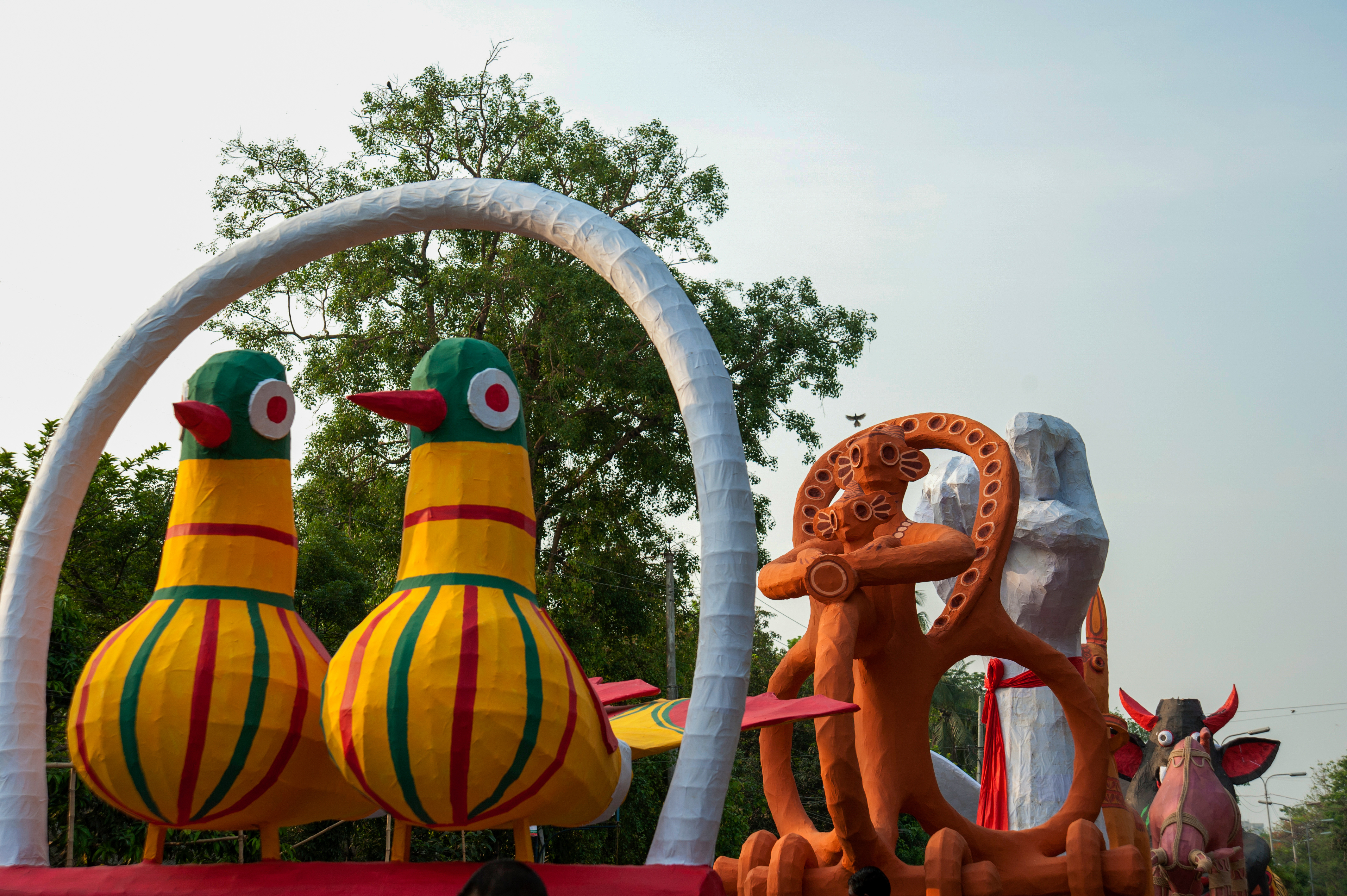
Every year, millions of Bangladeshis around the world welcome the Bengali New Year with colour, music, food and a deep sense of cultural pride. Pohela Boishakh — which translates to “first day of Boishakh” — is one of the most joyful and widely celebrated occasions in Bangladeshi culture, and for the Bangladeshi diaspora in Australia and New Zealand, it’s a powerful reminder of home.
Whether you grew up joining the Mongal Shobhajatra procession at dawn or waking up to the smell of panta bhat and hilsa fish, Pohela Boishakh carries a meaning that travels far beyond borders.
What is Pohela Boishakh?
Pohela Boishakh marks the first day of the Bengali calendar, which follows a solar calendar system dating back to the Mughal era. It is celebrated on 14 April each year in Bangladesh, and on 15 April in the Indian state of West Bengal.
Unlike many new year celebrations tied to religious observance, Pohela Boishakh is a secular, cultural celebration — embraced by Bangladeshis of all faiths and backgrounds. It is a day of renewal, togetherness, and national identity.
In Bangladesh, it is a public holiday, and the celebrations draw millions of people into the streets, parks, and cultural venues across the country.
The history and origins of Pohela Boishakh
The Bengali calendar — known as the Bangla Calendar or Bongabdo — was introduced during the reign of Mughal Emperor Akbar in the 16th century. The calendar was designed to align the Islamic Hijri calendar with the Bengali agricultural cycle, making it easier to collect taxes at the beginning of the harvest season.
Over centuries, the first day of the Bengali year evolved from a practical tax collection date into a rich cultural tradition. Merchants would open new ledgers, settle debts, and invite customers to share sweets — a practice known as Halkhata.
Today, Pohela Boishakh is recognised as one of Bangladesh’s most significant national celebrations, a symbol of Bengali identity, heritage, and unity.
How Pohela Boishakh is celebrated
Mongal Shobhajatra — the joyful procession
One of the most iconic images of Pohela Boishakh is the Mongal Shobhajatra — a colourful, vibrant procession held in the early morning to welcome the new year and drive away evil. Organised by the Fine Arts Faculty of the University of Dhaka since 1989, the procession features enormous papier-mâché figures of animals, masks, and folk art motifs symbolising courage, peace and prosperity.
In 2016, UNESCO inscribed the Mongal Shobhajatra on its Representative List of the Intangible Cultural Heritage of Humanity — a recognition of its deep cultural significance and uniqueness.
Traditional food and feasting
Food is at the heart of Pohela Boishakh. The traditional morning meal is panta bhat — fermented rice soaked overnight in water, served with mustard oil, onion, green chilli and dried fish. It is a humble, earthy dish that connects modern celebrations to their rural, agricultural roots.
The centrepiece of the Pohela Boishakh feast is ilish (hilsa fish) — Bangladesh’s national fish and one of its most beloved delicacies. Hilsa cooked in mustard sauce, steamed in banana leaf, or fried simply with turmeric is considered essential for the occasion.
Other festive foods include:
- Mishti doi — sweet yoghurt
- Roshogolla and sandesh — traditional Bengali sweets
- Pithas — rice cakes filled with coconut, molasses or sesame
- Khichuri — a comforting lentil and rice dish

Music, dance and cultural performances
Across Bangladesh, Pohela Boishakh is filled with music. Performances of Rabindra Sangeet (songs by Nobel laureate Rabindranath Tagore) and traditional Bengali folk music called Baul are central to the festivities. Cultural organisations, schools and community groups stage performances throughout the day, celebrating the richness of Bengali artistic heritage.
Dressing in traditional attire
Pohela Boishakh is one of the few occasions where Bangladeshis across all generations embrace traditional dress. Women wear white sarees with red borders — the colours of the Bengali New Year — while men dress in white panjabis. The red and white palette is everywhere, from clothing to flower garlands to street decorations.
Halkhata — the new ledger tradition
In business communities, Pohela Boishakh has historically been marked by the Halkhata tradition — opening a new account book for the new year, settling outstanding debts, and sharing sweets with customers and business partners. While the digital age has changed how businesses keep accounts, the spirit of Halkhata lives on as a gesture of goodwill and fresh beginnings.
Pohela Boishakh in Australia and New Zealand
For the Bangladeshi community across Australia and New Zealand, Pohela Boishakh is a cherished opportunity to come together, celebrate heritage, and keep cultural connections alive — especially for those who have built lives far from home.
Community organisations in cities like Sydney, Melbourne, Brisbane, Auckland and Wellington organise cultural events, food festivals, music performances and processions each April. These gatherings bring families together, introduce younger generations to their roots, and create a little piece of Bangladesh in the southern hemisphere.
If you’re looking for Pohela Boishakh events near you, check with your local Bangladeshi community association or cultural organisation.
Send money home for Pohela Boishakh
Pohela Boishakh is also a time for generosity — gifting sweets, new clothes, and financial support to family back in Bangladesh. For Bangladeshis in Australia and New Zealand, sending money home in time for the celebration is one of the most meaningful ways to share in the occasion from afar.
With OrbitRemit, you can send money to Bangladesh from Australia or New Zealand quickly, securely, and with $0 transfer fee — every time.
- AUD to BDT: $0 fee — free every time
- NZD to BDT: $0 fee — free every time
- Transfers typically arrive within 1–2 working days
- Send to any Bangladeshi bank account or directly to a bKash mobile wallet
- Rated Excellent on Trustpilot from over 33,000 reviews
So whether you’re sending money to help family prepare a Pohela Boishakh feast, buy new clothes for the celebrations, or simply share a little joy across the miles — OrbitRemit makes it easy to send more of your money home.
$0 fee applies to all AUD and NZD to BDT transfers. New customers receive a special promo rate on their first transfer. Terms and conditions apply.
Shubho Noboborsho — Happy New Year
However you celebrate Pohela Boishakh this year — whether at a community event in Sydney or Melbourne, around a table with family in Auckland, or simply with a plate of ilish and a moment of reflection — we wish you and your loved ones a joyful, prosperous Bengali New Year.
শুভ নববর্ষ — Shubho Noboborsho.


