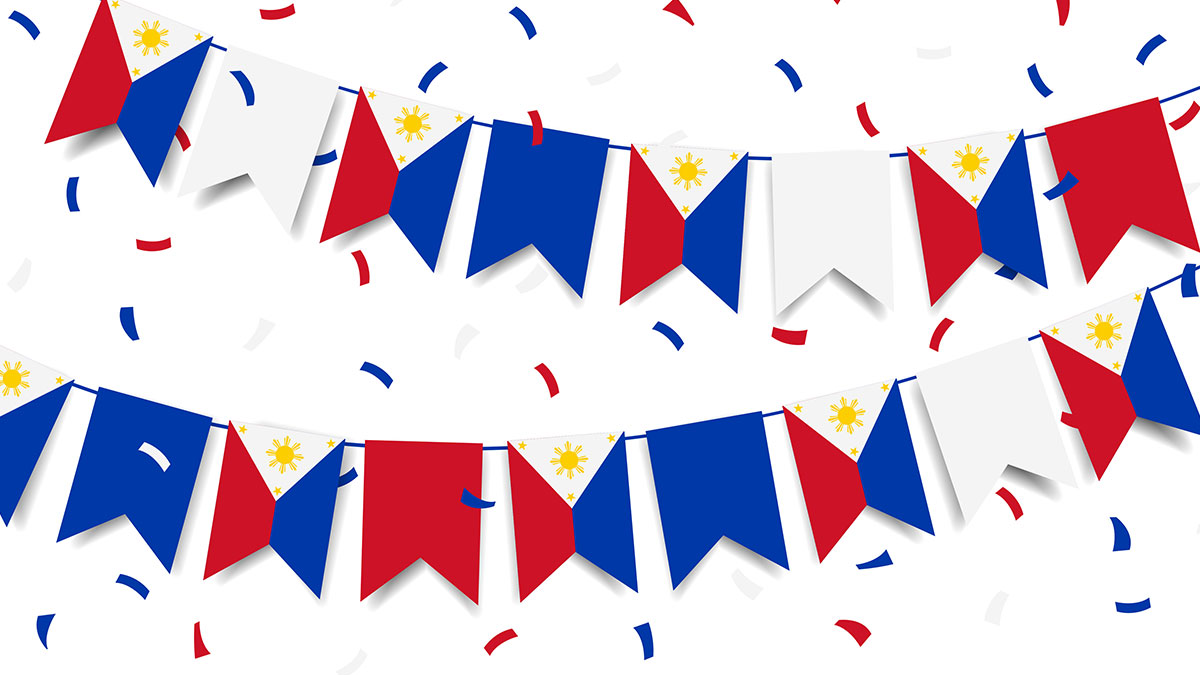
Every year on June 12, Filipinos worldwide celebrate Philippines Independence Day, a key moment in their history. This day marks the country’s freedom from over 300 years of Spanish rule and symbolises national pride and unity. To honour this important occasion, let’s explore the rich history and lively traditions that make Philippines Independence Day a central part of Filipino culture.
History of Philippines Independence Day
Philippines Independence Day commemorates June 12, 1898, when General Emilio Aguinaldo proclaimed the country’s independence from Spanish colonial rule in Kawit, Cavite. This historic declaration was a culmination of years of struggle and sacrifice by Filipino revolutionaries who longed for freedom and self-determination.
The iconic moment was marked by the raising of the Philippine flag and the playing of the national anthem, “Lupang Hinirang.” Although full independence was formally recognized much later, on July 4, 1946, by the United States, June 12 remains a day of immense national significance, symbolising the Filipinos’ spirit and resilience.
Traditions and celebrations
The day is typically celebrated with many festivities that reflect the country’s rich cultural heritage and patriotic spirit. Here are some of the key traditions:
- Flag raising ceremonies: Across the country and in Filipino communities abroad, the day begins with solemn flag-raising ceremonies. The Philippines flag, a powerful symbol of freedom, will be hoisted as the national anthem is sung.
- Parades and festivities: Cities and towns come alive with parades featuring floats, marching bands, and cultural performances. These parades showcase traditional Filipino costumes, dances, and music, offering a colourful celebration of the nation’s heritage.
- Cultural shows and exhibitions: Independence Day is also marked by various shows and exhibitions that celebrate the Philippines’ diverse history and artistic traditions. From folk dances to art displays, these events provide a platform for Filipinos to express their cultural identity and pride.
- Community gatherings and feasts: Filipino families and communities gather to share delicious meals, featuring traditional dishes such as lechon (roast pig), adobo, and pancit.
- Speeches and historical reenactments: Government officials and community leaders deliver speeches that reflect on the significance of Independence Day and pay tribute to the heroes who fought for the country’s freedom. In some places, historical reenactments bring to life the events leading up to the proclamation of independence, educating and inspiring younger generations.
Celebrating abroad
For Filipinos living abroad, Philippines Independence Day is an opportunity to celebrate their heritage. Filipino communities in countries such as Australia, New Zealand, the United States, Canada and across Europe organise their own Independence Day celebrations, complete with parades, cultural performances, and community gatherings.
These celebrations serve as a reminder of the strong sense of identity and pride that Filipinos carry, no matter where they are in the world. They also provide an opportunity for the global Filipino community to share their rich culture with others.
Independence Day is more than just a holiday. It’s a powerful reminder of the resilience of the Filipino people. Whether you are in the Philippines or part of the Filipino diaspora, this day is an opportunity to come together and celebrate your heritage!
Happy Philippines Independence Day! Mabuhay ang Pilipinas!
________________________________________________________________________
At OrbitRemit, we take pride in supporting the Filipino community worldwide. Whether you’re sending money home to support your loved ones or simply staying connected with your roots, we’re here to help make your money transfers to the Philippines fast, secure, and hassle-free. Celebrate your heritage with pride and enjoy the festivities of this special day!


