Summary
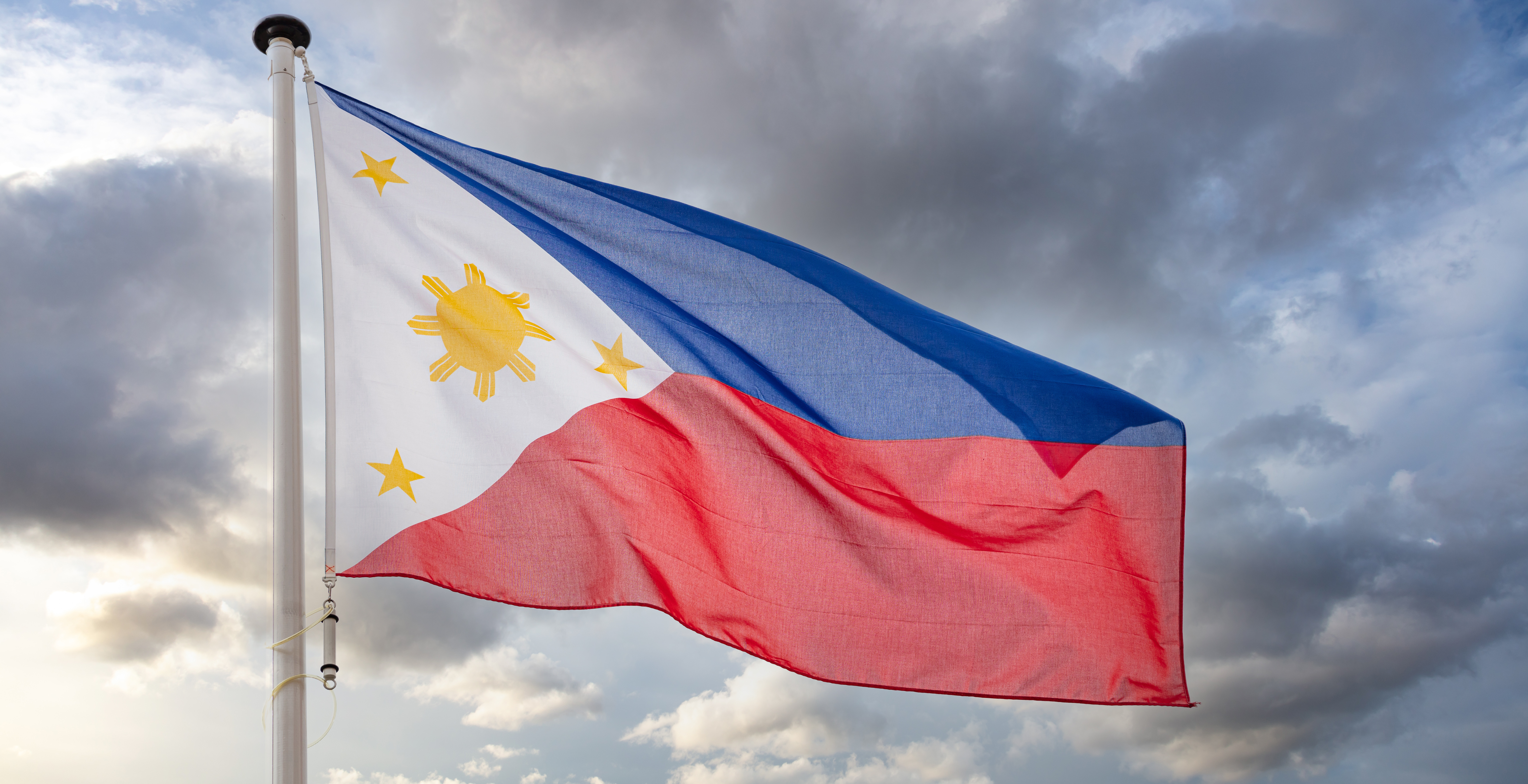
Philippine National Heroes Day 2026 (Araw ng mga Bayani) falls on Monday 31 August 2026 — celebrated on the last Monday of August each year to commemorate the Cry of Pugad Lawin on 23 August 1896, when Andres Bonifacio and the Katipunan began the Philippine Revolution against Spanish colonial rule
The day honours all Filipino heroes — known and unknown — a National Heroes Committee established in 1995 identified nine official national heroes, led by Jose Rizal and Andres Bonifacio; the holiday also recognises the countless unnamed men and women who gave their lives for Philippine independence
National Heroes Day is not a public holiday in Australia — but the Filipino-Australian community marks the day with cultural events, flag ceremonies, social media tributes and reflection on what it means to be Filipino in a new country
On 23 August 1896, a group of Filipino revolutionaries gathered in a field in Pugad Lawin, in what is now Quezon City. Led by Andres Bonifacio — a self-educated warehouse worker from Manila who had read the works of Jose Rizal and burned with a passionate belief in Filipino independence — they tore up their Spanish colonial identification papers and shouted their determination to fight. That moment, known as the Cry of Pugad Lawin, sparked the Philippine Revolution.
National Heroes Day exists to ensure that act is never forgotten — and to honour the full sweep of Filipino men and women who gave everything for their country’s freedom.
When is Philippine National Heroes Day 2026?
Monday 31 August 2026 — the last Monday of August.
The date was chosen to commemorate the Cry of Pugad Lawin in late August 1896. Since 2007, when Republic Act 9492 moved it from the last Sunday to the last Monday of August as part of the “holiday economics” programme, it has been a regular non-working public holiday in the Philippines.
In 2026, National Heroes Day falls on the same day as Raksha Bandhan — a coincidence that makes the last weekend of August particularly significant for both the Filipino and Indian communities in Australia.
The heroes of the Philippines
Jose Rizal — the national hero
Jose Rizal is the pre-eminent national hero of the Philippines — a polymath who was a novelist, poet, ophthalmologist, sculptor, painter, educator and political activist, all before his execution at the age of 35. Born in Calamba, Laguna in 1861, Rizal wrote two novels — Noli Me Tangere and El Filibusterismo — that exposed the brutality of Spanish colonial rule and ignited Filipino nationalist consciousness.
Rizal did not fight with weapons — he fought with words, ideas and medicine. He believed in reform through education and was deeply opposed to violence, even as the revolution he inspired erupted around him. He was executed by the Spanish colonial government on 30 December 1896 at Bagumbayan (now Rizal Park, Manila) at age 35. His death became the symbol that galvanised the revolution.
Why Rizal matters to Filipinos in Australia: Rizal’s story — an educated Filipino who left home to study abroad, carried his country’s burden with him, and gave everything for a better Philippines — resonates across generations and across oceans. His statue stands in parks from Madrid to Melbourne.
Andres Bonifacio — the father of the revolution
If Rizal represents the intellectual soul of the Philippine independence movement, Andres Bonifacio represents its fighting heart. Born in Tondo, Manila in 1863 to a poor family, Bonifacio educated himself through the works of Rizal and international revolutionary literature. In 1892 he founded the Katipunan — a secret revolutionary society that grew to hundreds of thousands of members and launched the armed struggle for independence.
Bonifacio was the one who tore his cedula (colonial identification card) at Pugad Lawin and called his people to arms. He was later betrayed, arrested, tried and executed in 1897 by fellow revolutionaries in a political dispute. His birthday, 30 November, is a separate national holiday in the Philippines (Bonifacio Day).
The nine official national heroes (1995 committee)
In 1995, the National Heroes Committee identified nine Filipinos who should be recognised as official national heroes:
- Jose Rizal — national polymath and martyr
- Andres Bonifacio — founder of the Katipunan and leader of the revolution
- Emilio Aguinaldo — first President of the Philippine Republic
- Apolinario Mabini — the “Sublime Paralytic”; political adviser and constitutionalist of the First Philippine Republic
- Marcelo H. del Pilar — journalist and propagandist; editor of La Solidaridad in Spain
- Sultan Dipatuan Kudarat — 17th-century Sultan of Maguindanao who resisted Spanish and Dutch colonial expansion
- Juan Luna — painter of the iconic Spoliarium; represented Filipino talent on the world stage in 1884
- Melchora Aquino (Tandang Sora) — the “Mother of the Katipunan”; sheltered and fed Katipunan soldiers at age 84
- Gabriela Silang — the first woman to lead a revolt against the Spanish; continued her husband Diego Silang’s rebellion after his assassination in 1763
The Cry of Pugad Lawin — why the date matters
The specific choice of late August for National Heroes Day connects directly to the Cry of Pugad Lawin on 23 August 1896 — the moment the Philippine Revolution formally began.
The Katipunan, founded in secret in 1892, had grown to a membership estimated at between 100,000 and 400,000 by 1896. When Spanish authorities discovered its existence in early August 1896, Bonifacio made the decision to act immediately. On 23 August, the Katipunan members assembled in the pugad (nest/thicket) of a man named Juan Matanda in Balintawak (later renamed Pugad Lawin), tore up their colonial cedulas, and committed to armed revolution.
The revolution that followed ultimately failed to achieve full independence from Spain — the Spanish-American War of 1898 transferred the Philippines to American colonial rule. But the declaration of Philippine independence by Emilio Aguinaldo on 12 June 1898 — now celebrated as Philippine Independence Day — was the direct fruit of the revolution Bonifacio and Rizal inspired.
How Filipinos in Australia mark National Heroes Day
National Heroes Day is not a public holiday in Australia. For Filipino-Australians, the observance is personal, community-led and increasingly visible on social media.
Community events: The Philippine Consulate General in Sydney and Melbourne, and the Philippine Embassy in Canberra, typically hold commemorative programs on or around 31 August — flag-raising ceremonies, wreath-laying, cultural performances and speeches. Check sydneypcg.org and melbournepcg.org for 2026 event details.
Social media: August 31 sees a significant outpouring of Filipino national pride on Facebook, Instagram and TikTok — tributes to Rizal and Bonifacio, Philippine flag photos, and personal reflections on what it means to be Filipino. The hashtag #ArawNgMgaBayani trends in the Filipino-Australian community each year.
Filipino community organisations: Community groups across Blacktown, Dandenong, Manukau and Perth often hold informal gatherings, potlucks or cultural events around the date.
Personal reflection: For many Filipinos in Australia, National Heroes Day is a moment to explain to their Australian-born children who Rizal and Bonifacio were — and why the Philippines’ history of struggle for freedom matters, even in a new country.
Jose Rizal in Sydney — the monument
Jose Rizal never visited Australia — his extensive travels took him through Europe, the United States, Japan, Hong Kong and Singapore, but not Australia. He was exiled to Dapitan in the Philippines from 1892, arrested in Barcelona in October 1896, and executed in Manila on 30 December 1896.
However, the Filipino community’s love for Rizal is present in Sydney. A Rizal monument stands in Sydney — gifted to the citizens of Sydney by John Holland Philippines in 1995 and sculpted by Haldane Holman. It is one of dozens of Rizal statues erected around the world by overseas Filipino communities as a permanent expression of national pride.
The monument is a reminder that Rizal’s legacy travels with Filipinos wherever they go — including to Australia.
Connecting with home on National Heroes Day
For Filipinos in Australia and New Zealand, National Heroes Day is often a time of reflection on the dual identity of being both Filipino and a migrant — carrying the culture, history and family ties of one country while building a life in another.
Sending money home to family in the Philippines is one of the most tangible ways Filipino migrants maintain that connection — supporting parents, siblings and communities who remain in the country the heroes died to build.
- AUD to PHP GCash and mobile wallets: fee-free from Australia
- AUD to PHP bank deposit: AUD $4 flat fee
- NZD to PHP GCash: NZD $4 flat fee
- Over 85% of transfers arrive within 2 hours
- Tagalog-speaking customer support team
FAQs (frequently asked questions)
When is Philippine National Heroes Day 2026?
Monday 31 August 2026 — the last Monday of August. It is a regular non-working public holiday in the Philippines.
What is the Cry of Pugad Lawin?
The Cry of Pugad Lawin (23 August 1896) was the moment Andres Bonifacio and the Katipunan revolutionary society publicly declared their revolt against Spanish colonial rule by tearing up their colonial cedulas. It is considered the beginning of the Philippine Revolution.
Who are the official national heroes of the Philippines?
Nine official national heroes were identified by the National Heroes Committee in 1995: Jose Rizal, Andres Bonifacio, Emilio Aguinaldo, Apolinario Mabini, Marcelo H. del Pilar, Sultan Dipatuan Kudarat, Juan Luna, Melchora Aquino and Gabriela Silang.
Who are the official national heroes of the Philippines?
Nine official national heroes were identified by the National Heroes Committee in 1995: Jose Rizal, Andres Bonifacio, Emilio Aguinaldo, Apolinario Mabini, Marcelo H. del Pilar, Sultan Dipatuan Kudarat, Juan Luna, Melchora Aquino and Gabriela Silang.
Is National Heroes Day a public holiday in Australia?
No. It is a public holiday in the Philippines only. The Filipino-Australian community marks the day through community events, social media and personal reflection.
Is there a Jose Rizal monument in Australia?
Yes — a Rizal monument stands in Sydney, gifted to the citizens of Sydney by John Holland Philippines in 1995 and sculpted by Haldane Holman. Rizal did not visit Australia in person — his travels took him through Europe, the USA, Japan, Hong Kong and Singapore.
This guide is for general information only. Last updated August 2026.
Sources: publicholidays.ph — National Heroes Day 2026 (1 month ago) | officeholidays.com — National Heroes Day Philippines | Wikipedia — National Heroes Day (Philippines) | Wikipedia — Jose Rizal | Wikipedia — Andres Bonifacio | Wikipedia — Cry of Pugad Lawin | anydayguide.com — National Heroes Day 2026


