Summary
Hariyali Teej 2026 Australia falls on Saturday 15 August in Australia — the same date as India, and coinciding this year with India’s Independence Day; a dual celebration for the Indian community
Teej is observed by married and unmarried Hindu women — married women fast for their husband’s long life and wellbeing; unmarried women pray for a worthy husband; both groups wear green, apply mehndi and worship Goddess Parvati with Lord Shiva
AUD to INR transfers are always fee-free with OrbitRemit — send money home before Teej for gifts, sindhara and celebrations with no transfer fee
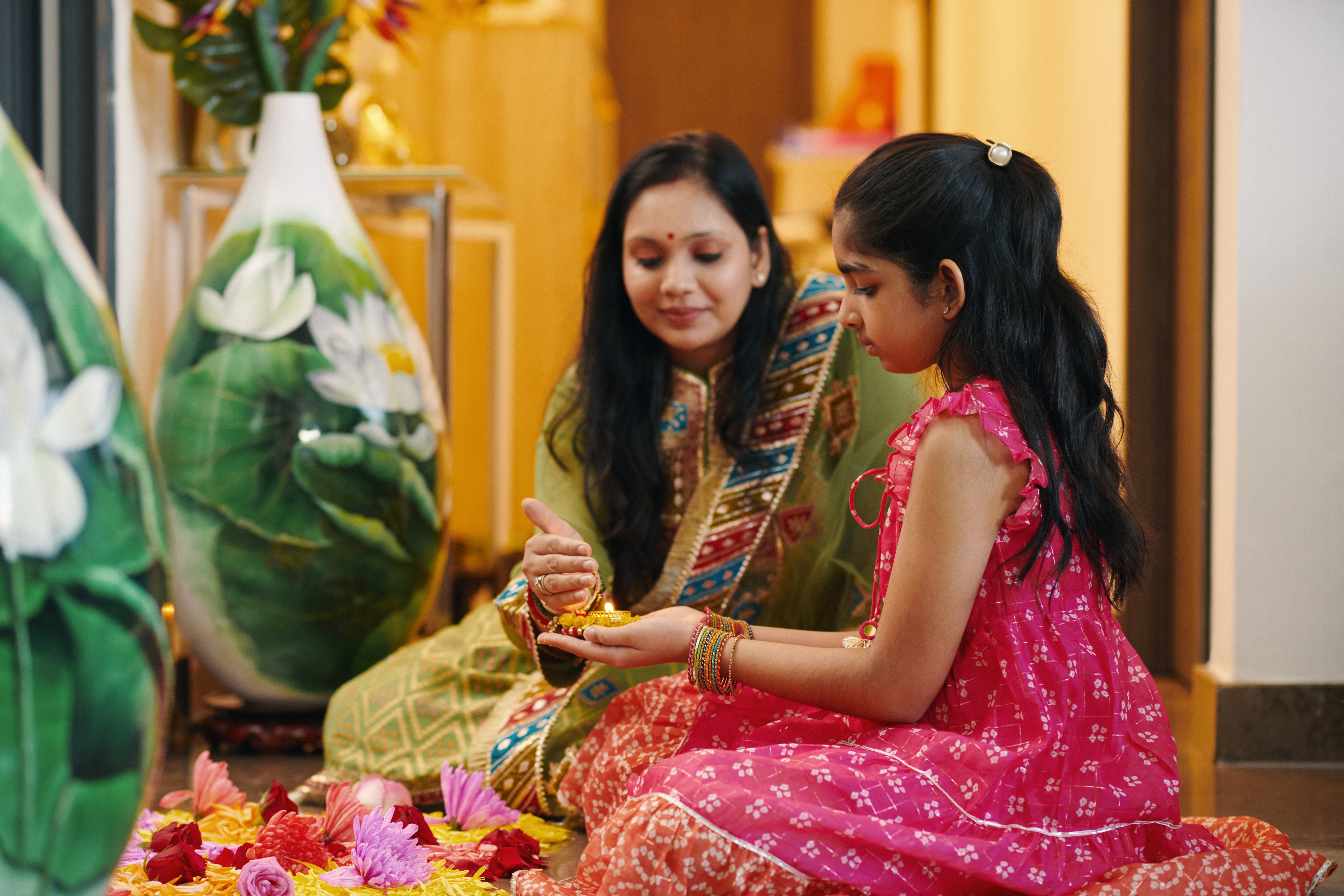
Hariyali Teej falls at the height of Sawan (Shravana) — the sacred monsoon month in the Hindu calendar — when northern India turns lush and green, rivers run full, and the air carries the scent of rain and marigolds. For Indian women in Australia, Teej is one of the most beloved festivals of the year: a day of green sarees, fresh mehndi, swings decorated with flowers, Teej songs and devotion to Goddess Parvati.
In 2026, Hariyali Teej coincides with India’s Independence Day — 15 August — making it a particularly meaningful occasion for the Indian-Australian community celebrating Hariyali Teej 2026 Australia.
When is Hariyali Teej 2026?
Hariyali Teej 2026 falls on Saturday 15 August in Australia and India.
The Tritiya Tithi (third lunar day) of Shravana Shukla Paksha runs from 6:46pm on 14 August to 5:28pm on 15 August 2026. The festival is observed on 15 August — Saturday — in both India and Australia.
In 2026, this coincides with India’s Independence Day (15 August) — a meaningful coincidence for the Indian diaspora in Australia.
Teej is not a public holiday in Australia. With the date falling on a Saturday in 2026, the Indian community can celebrate without taking leave.
What is Hariyali Teej?
Hariyali Teej — also called Sawan Teej, Shravani Teej or Chhoti Teej — is one of three major Teej festivals in the Hindu calendar. It falls on Shravana Shukla Tritiya, the third day of the bright fortnight in the monsoon month of Shravana.
The spiritual meaning: Teej commemorates the reunion of Goddess Parvati and Lord Shiva — Parvati’s long tapasya (penance and devotion) finally accepted by Shiva, who took her as his wife on this day. The Teej katha holds that Parvati underwent 107 or 108 rebirths in her devotion to attain Shiva as her husband. Her unwavering love is the model the festival honours.
Who observes it: Primarily married Hindu women, who fast (sometimes without water — nirjala vrat) for their husband’s long life and wellbeing. Unmarried Hindu women also observe the vrat, praying for a worthy husband. The festival is strongest in Rajasthan, Uttar Pradesh, Haryana, Punjab, Madhya Pradesh, Bihar and parts of Nepal.
Hariyali: The word means “greenery” — the festival celebrates the lush green of the monsoon season and is symbolically tied to fertility, growth and new beginnings. Wearing green is both tradition and symbolism.
Teej traditions and rituals
The vrat (fast)
Many married women observe a full Nirjala vrat — fasting without food or water from sunrise to the evening puja. Others observe a partial fast, eating fruits or a single saatvik meal. The fast is broken after the evening Gauri-Shiva puja and Teej katha, or the following morning according to family tradition.
Solah Shringar — the sixteen adornments
Hariyali Teej is famous for Solah Shringar — the traditional sixteen adornments that Hindu women apply as a symbol of beauty, devotion and auspiciousness. These include:
Sindoor (vermilion in the parting of the hair), bindi, kajal (kohl), mehndi (henna on hands and feet), green bangles, green saree or lehenga, payal (anklets), maang tikka (headpiece), nath (nose ring), earrings, necklace, armlets, rings, alta (red dye on the feet), perfume and kajra
Green is the colour of Teej — green sarees, green lehengas, green dupattas and green bangles are the defining look of the festival, representing the monsoon greenery and the auspiciousness of the season.
Mehndi
Applying fresh mehndi (henna) the day before or morning of Teej is one of the most beloved rituals. The deeper the mehndi colour, the deeper the husband’s love — a saying repeated across northern India. In Australia, Indian beauty salons in Harris Park (Sydney), Dandenong (Melbourne) and Sunnybank (Brisbane) offer Teej mehndi appointments in the week leading up to 15 August.
The swing (jhoola)
The most iconic image of Hariyali Teej: women on decorated swings hung from large trees — typically banyan, mango or neem — singing Teej songs as the monsoon rain falls around them. The swing symbolises joy, freedom and the carefree spirit of Sawan. In Australia, community gatherings often recreate this tradition with decorated swings in gardens, temple grounds or community halls.
Teej katha and puja
The Teej puja thali contains:
- Idols or images of Shiva and Parvati
- Green bangles
- Sindoor, kumkum
- Coconut, flowers, durva grass, bel patra
- Milk, curd, honey
- Ghevar (the festival sweet)
- Solah Shringar items
The sister or eldest woman narrates the Teej katha — the story of Parvati’s devotion and Shiva’s acceptance. The puja involves offering flowers, lighting a ghee lamp, applying tilak, and praying together.
Sindhara
A beautiful tradition unique to Teej: a married woman’s parents (her maika) send gifts to her home — new clothes (typically a green saree or lehenga), bangles, mehndi, sweets and other items. The sindhara gift represents the continuing bond between a daughter and her parents even after marriage.
In Australia, many Indian families recreate the sindhara tradition — parents send clothes and sweets from India, or the community organises sindhara exchanges. Some families in Sydney and Melbourne arrange local sindhara deliveries through Indian community networks.
Teej food and sweets
Ghevar — the festival sweet
Ghevar is the signature sweet of Hariyali Teej. A disc-shaped North Indian sweet made from flour, ghee and sugar syrup, with a honeycomb-like structure, soaked in sugar syrup and topped with rabri (reduced cream), silver leaf, chopped pistachios and cardamom. It is made during the monsoon months and its association with Teej is ancient and specific — no other Indian festival is so closely identified with a single sweet.
In Australia: Ghevar is available at Indian sweet shops in Harris Park (Sydney), Dandenong (Melbourne) and Sunnybank (Brisbane) in the weeks before Teej. Order in advance as stock is limited.
Other Teej sweets and dishes
Malpua — thick, sweet pan-fried flour pancakes soaked in sugar syrup, often served with rabri; a Rajasthani and UP festival staple
Kheer — creamy rice pudding with cardamom, saffron and nuts; made at home and offered to Goddess Parvati during puja
Halwa — semolina, wheat or atta halwa; common as the vrat-breaking food
Puris with aloo sabzi — fried bread with spiced potato curry; the traditional vrat-breaking meal in many North Indian families
Panchamrit — a sacred mixture of milk, curd, honey, ghee and sugar used in the puja and consumed as prasad afterward
Mewa (dry fruits) — soaked overnight and eaten to break the fast; considered auspicious and nourishing
Celebrating Teej from Australia
For Indian women in Australia, Teej without the monsoon, without the maika sindhara arriving at the door, and without swings under mango trees, requires some creativity. Here is how the Indian-Australian community marks the festival:
Community gatherings: Indian community organisations and temple associations in Sydney (Harris Park area), Melbourne (Dandenong, Clayton) and Brisbane (Sunnybank) typically organise Teej melas and gatherings around 15 August. Women come in green sarees and lehengas, apply mehndi together, perform Teej puja and sing traditional Teej songs. Check local Indian community Facebook groups and india.com.au/events for 2026 listings.
Home puja: Set up a small puja space with a Shiva-Parvati image or idol, prepare the puja thali, apply mehndi with family or friends, wear green and observe the vrat. The ceremony does not require a temple.
Video call with family: With Teej on a Saturday in 2026, a morning video call with parents and siblings in India during the puja is practical — the time difference between India and eastern Australia is 4.5 hours (AEST), meaning a 7am puja in India corresponds to 11:30am AEST.
Send money home before Teej: Many women in Australia send money home so their family in India can celebrate properly — buying sweets, arranging sindhara gifts, new clothes and festival items. A transfer of 2-3 days before 15 August ensures the money arrives in time.
Sending money to India for Teej
OrbitRemit AUD to INR — always fee-free:
- No transfer fee — AUD $0 on any amount from Australia
- Rate fixed at confirmation
- UPI delivery supported — fastest option for family in India
- Direct to SBI, HDFC, ICICI, Axis, Canara, PNB and all major Indian banks
- Over 85% of transfers arrive within 2 hours
- Fee-free above AUD $10,000
Send before 13 August to ensure money arrives before Teej on 15 August.
Also in August: Raksha Bandhan on 28 August
Hariyali Teej on 15 August is the first of two major Indian festivals in August 2026. Raksha Bandhan falls two weeks later, on Friday 28 August.
Raksha Bandhan 2026 in Australia: celebrating Rakhi from afar →
FAQs (frequently asked questions)
When is Hariyali Teej 2026 in Australia?
Saturday 15 August 2026 — the same date as India. This year it coincides with India’s Independence Day.
Who celebrates Hariyali Teej?
Primarily married Hindu women, who fast for their husband’s long life. Unmarried women also observe the vrat praying for a worthy husband. The festival is strongest in communities from Rajasthan, UP, Haryana, Punjab, Bihar and Nepal.
What colour do women wear for Teej?
Green — representing the monsoon greenery and auspiciousness of the Sawan season. Green sarees, lehengas and bangles are traditional.
What is sindhara?
Sindhara is a gift from a woman’s parents (her maika) sent to her home on Teej — typically including a new green saree or lehenga, bangles, mehndi, and sweets. It symbolises the continuing bond between a daughter and her parents after marriage.
What is Ghevar?
Ghevar is the signature sweet of Hariyali Teej — a disc-shaped North Indian sweet made from flour and ghee, soaked in sugar syrup and topped with rabri and pistachios. Available at Indian sweet shops in Harris Park (Sydney), Dandenong (Melbourne) and Sunnybank (Brisbane) before the festival.
How do I send money to India for Teej?
OrbitRemit supports fee-free AUD to INR transfers with UPI delivery. Over 85% arrive within 2 hours. Visit orbitremit.com/india for current rates. Send by 13 August for delivery before Teej on 15 August.
Festival dates calculated from the Hindu lunisolar calendar and confirmed from Daanyam, Ganeshaspeaks and Samvat.in for Australian time zones. Last updated July 2026.
Sources: daanyam.in — Hariyali Teej 2026 (updated July 2026) | ganeshaspeaks.com — Hariyali Teej 2026 date and significance | samvat.in — Hariyali Teej 2026 | shriprasadam.in — Hariyali Teej 2026 date and significance | coralslub.com — Teej 2026 history, significance and rituals | andaazfashion.com — Teej festival 2026 rituals and fashion guide


