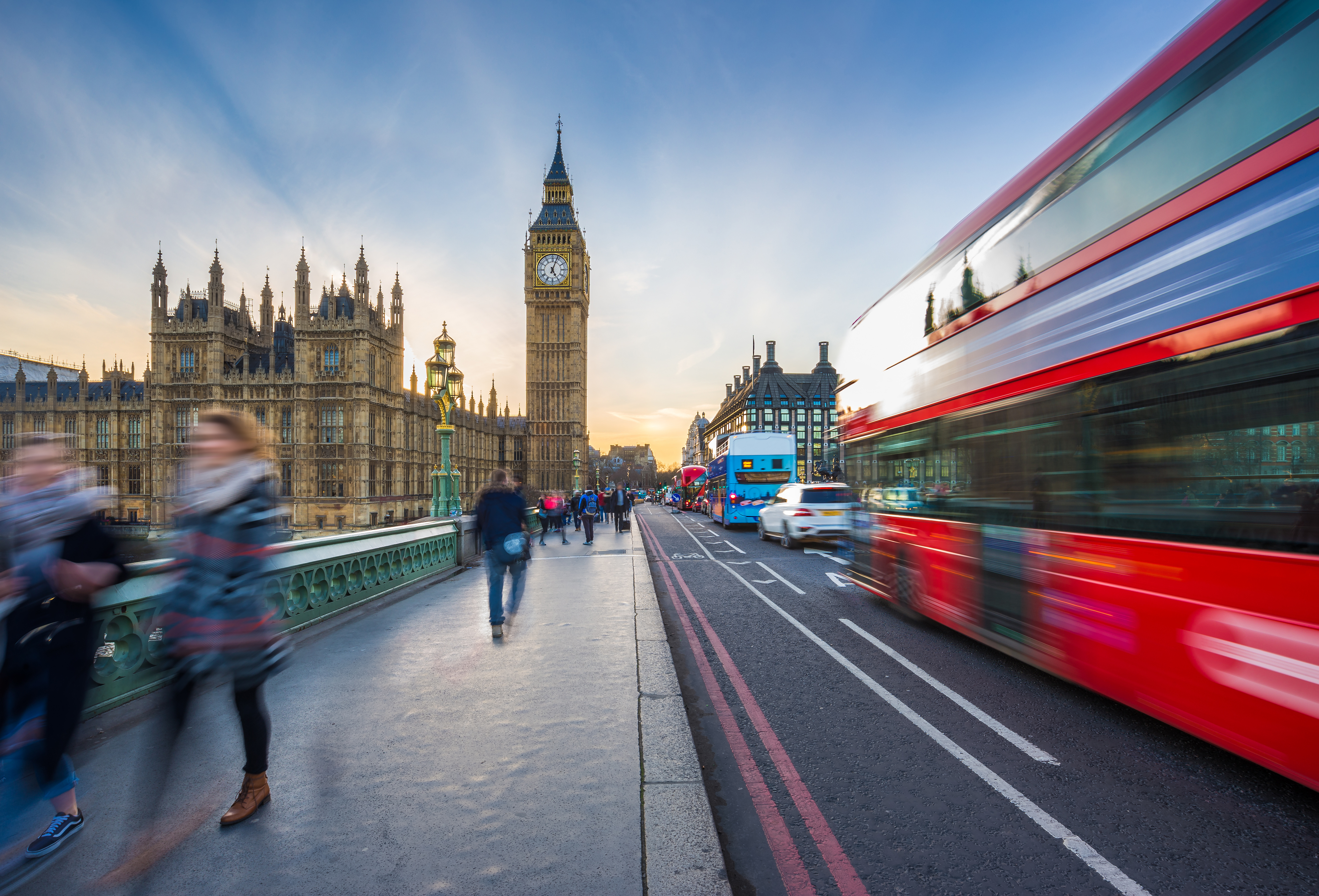
The UK is one of the most popular destinations for New Zealanders living and working abroad. A shared language, deep historical ties, proximity to Europe, and a visa pathway specifically designed for young Kiwis make it one of the most accessible international moves available. Many New Zealanders use the UK as a base to build their career, explore Europe, and experience life in one of the world’s great cities.
This guide covers everything you need to know about moving to the UK from New Zealand in 2026: visas, costs, banking, healthcare, work, cities, and staying financially connected back home.
Visa options for New Zealanders moving to the UK
Youth Mobility Scheme (YMS) — the most popular route
The Youth Mobility Scheme lets New Zealand citizens aged 18 to 35 live and work in the UK for up to three years — with no job offer and no employer sponsorship required.
Key facts for New Zealanders in 2026:
- No ballot required for New Zealanders — apply directly whenever you are ready
- From 8 April 2026, an annual quota of 8,000 places applies for New Zealand applicants. Apply early in the year to secure your place
- New Zealanders aged 18 to 35 can come to the UK for up to three years under the scheme
- New Zealanders can extend their visa by one year after the 2-year period ends — from within the UK
- No job offer required — you can work for almost any employer in almost any role
- Self-employment is permitted provided your premises are rented, your equipment is not worth more than £5,000 and you do not have any employees
Visa costs in 2026:
- Visa application fee: £340 (from 8 April 2026)
- Immigration Health Surcharge (IHS): £776 per year — for a 2-year visa, this is £1,552
- Total cost for a 2-year YMS visa: £1,892 in Home Office charges
- Extension (1 year): £340 application fee plus £776 IHS
Savings requirement:
- You must have at least £2,530 in your bank account and must have held this amount for at least 28 consecutive days, with day 28 falling within 31 days of your application
What you cannot do on a YMS visa:
- Work as a professional sportsperson or sports coach
- Have dependent children under 18 living with you
- Have previously been granted a YMS visa in the UK
Application centres in New Zealand: Auckland, Christchurch and Wellington
Source: gov.uk/youth-mobility
Electronic Travel Authorisation (ETA) — for visits
New Zealand citizens do not need a visa to visit the UK for up to six months — they need only an Electronic Travel Authorisation (ETA), costing £20, applied for through the UK ETA app. This is for tourism and short visits only — you cannot work on an ETA.
Skilled Worker visa — for longer-term careers
Once you are working in the UK, many New Zealanders switch to the Skilled Worker visa, which requires a sponsored graduate-level job paying at least £38,700. This route leads to settlement after five years and is the most common path to long-term UK residency. Many Kiwis use the Youth Mobility Scheme to build UK experience, then switch to a Skilled Worker visa when they find a sponsoring employer.
UK Ancestry visa
New Zealanders with at least one grandparent born in the UK, the Channel Islands, the Isle of Man, or (before 1922) Ireland can apply for the UK Ancestry visa, which allows work and leads to settlement. This is an often-overlooked pathway for New Zealanders with British heritage — worth checking before applying for the YMS.
Where to live in the UK
London
London is the first stop for most New Zealanders. It has the largest Kiwi community in the world outside New Zealand, with well-established concentrations in Clapham, Shepherd’s Bush, Hammersmith, and Earls Court. The New Zealand High Commission and various Kiwi social groups make it easy to connect with the community on arrival.
A one-bedroom apartment in the city centre costs an average of £2,218 per month, while outside the centre the average is £1,678. A single person needs a gross salary of at least £45,000–£55,000 to live comfortably in London in 2026.
London is also the gateway to Europe. New Zealanders can explore the Schengen zone for up to 90 days within a 180-day period without an additional visa.
Manchester
Manchester offers average one-bedroom flat rents of around £1,349 per month — significantly cheaper than London while offering a growing job market in finance, tech, media and healthcare. It is a popular option for New Zealanders who want a UK city experience without London prices.
Edinburgh
Scotland’s capital is one of the UK’s most liveable cities with a strong tech, financial services and creative sector. Rent is below London, and Edinburgh’s outdoors lifestyle appeals to many New Zealanders. The city has a well-established Antipodean community.
Bristol, Leeds, Birmingham
All offer lower housing costs than London with growing professional job markets. Birmingham averages around £1,086 per month for a one-bedroom flat.
Cost of living in the UK in 2026
Monthly budget for a single person
| City | Rent (1BR) | Groceries | Transport | Total (approx.) |
|---|---|---|---|---|
| London | £2,218 (centre) / £1,678 (outer) | £300–£400 | £200 | £2,750–£3,500+ |
| Manchester | £1,349 | £270–£370 | £90 | £1,800–£2,300 |
| Edinburgh | £1,200–£1,500 | £270–£370 | £80–£100 | £1,650–£2,100 |
| Birmingham | £1,086 | £260–£360 | £70–£90 | £1,500–£1,700 |
Estimates based on ONS and published 2026 data. Costs vary by location and lifestyle.
Key costs to know
- Average UK private rent: £1,381/month (April 2026, up 3.5% year-on-year)
- Bond (deposit): Typically 5 weeks rent upfront, capped by law
- Rent payments: Paid monthly in advance — budget for your first month’s rent plus the 5-week deposit as upfront costs before you arrive
- Council tax: Typically £100–£250/month for a one-bedroom flat depending on local authority and property band
- Utilities: Approximately £180–£260/month for energy, water, broadband and TV licence
- A meal at an inexpensive restaurant: approximately £20; a three-course meal for two at a mid-range restaurant: around £80
- Oyster/contactless travel card (London Zones 1-3): Approximately £201/month
NZD to GBP context
The New Zealand dollar has historically traded at around NZD 2.00–2.20 per GBP, meaning UK costs in GBP can feel significant in NZD terms. UK salaries are paid in GBP, however, and once you are earning locally your budget adjusts quickly.
Work and wages
Minimum wage in the UK
From 1 April 2026, the UK National Living Wage for workers aged 21 and over is £12.71 per hour. The voluntary Real Living Wage is higher: £13.45 across the UK and £14.80 in London for 2025/26.
Typical salaries
The median gross annual salary for full-time employees in London is approximately £46,000–£48,000 per year in 2026. To live comfortably as a single adult in the UK, you need around £38,000 a year — or £15,000–£20,000 more in London.
National Insurance (NI) number
One of the first practical steps after arriving in the UK is applying for a National Insurance (NI) number — the UK equivalent of an IRD number. You will need it for all employment and tax purposes. Apply online at gov.uk before you start work.
Tax in the UK
UK income tax rates for 2025/26:
- Personal allowance (tax-free): up to £12,570
- Basic rate: 20% on income from £12,571 to £50,270
- Higher rate: 40% on income from £50,271 to £125,140
- Additional rate: 45% on income above £125,140
National Insurance contributions are also deducted from your pay at 8% on earnings between £12,570 and £50,270.
Healthcare in the UK
The Immigration Health Surcharge (IHS) you paid as part of your YMS visa application gives you full access to the NHS — the UK’s National Health Service — for the duration of your visa. This covers GP visits, hospital treatment, emergency care and most prescriptions.
What to do when you arrive:
- Register with a local GP practice as soon as possible — some practices have waiting lists
- Dental treatment is not fully covered by the NHS for adults — private dental plans are available
At £776 per year, the NHS surcharge represents excellent value for New Zealanders used to paying for healthcare or private health insurance at home.
Banking in the UK
Setting up a UK bank account is one of the first priorities after arriving. Many traditional banks require a UK address and proof of employment before opening an account.
Practical options for new arrivals:
- Monzo, Starling, Revolut: Digital banks that can be opened from your phone with just a passport and UK address — no credit history required. Most Kiwis use one of these immediately on arrival
- Traditional banks (Barclays, HSBC, Lloyds, NatWest): Better for salary payments and direct debits once you have a UK address and employer
- Wise: Multi-currency account useful for managing NZD and GBP, and for sending money back to New Zealand
What you’ll need to open a bank account:
- Passport
- UK address
- Sometimes: employer letter or utility bill
SIM cards in the UK
Getting a UK SIM card is one of the first things to sort on arrival — you’ll need it for two-factor authentication, banking apps, and staying connected while you find your feet.
On arrival: Buy a pay-as-you-go (PAYG) SIM at any supermarket (Tesco, Sainsbury’s, Boots), phone shop or WHSmith at the airport. Three, O2, EE and Vodafone all sell PAYG SIMs for free or a few pounds. Load it with £10 credit and you’re connected immediately.
Monthly plans: Once you have a UK address, switch to a monthly SIM-only plan. No long-term contract is required — most are 30-day rolling.
| Provider | Best for | From |
|---|---|---|
| Three | Heavy data users; unlimited data plans available | £10–£15/month |
| EE | Best network coverage, especially rural areas | £15–£25/month |
| O2 | Good all-rounder; roaming in some EU countries | £10–£20/month |
| Vodafone | Reliable coverage; good for international calls | £10–£20/month |
| SMARTY | Budget option; powered by Three’s network | From £5/month |
| Lebara | Good for international calls to NZ and Pacific | From £5/month |
| iD Mobile | Budget option; 24-month contracts available | From £5/month |
Roaming in Europe: Check your provider’s roaming policy before travelling to Europe. Some UK providers include EU roaming in their plans; others charge extra. EE, O2 and Vodafone all offer some level of EU roaming on selected plans.
Keeping your NZ number: If you want to keep your New Zealand mobile number active for verification purposes, consider putting your NZ SIM on a low-cost prepaid plan before you leave.
Practical steps when you arrive
- Get your NI number — apply online at gov.uk before you start work
- Open a bank account — Monzo or Starling for immediate banking; add a traditional bank later
- Register with a GP — do this within the first week before you need one urgently
- Get an Oyster card or contactless card for London transport, or a regional travel pass elsewhere
- Get a UK SIM card — see the SIM cards section below for options and recommendations
- Connect with the Kiwi community — New Zealand social groups operate across London and most major UK cities. The New Zealand High Commission (Kinnaird House, 1 Pall Mall East, London) provides consular services, emergency assistance and passport services for New Zealanders in the UK — note it cannot assist with UK visa or immigration enquiries; for those, refer to gov.uk
The important stuff: coffee and a pint
For Kiwis used to a strong flat white culture, the UK coffee scene will feel familiar — though the prices might sting at first.
| London | Outside London | |
|---|---|---|
| Flat white / latte / cappuccino | £4.00–£5.00 | £3.00–£4.00 |
| Americano / long black | £3.00–£4.00 | £2.50–£3.50 |
| Pint of beer (pub) | £6.00–£7.30 | £4.00–£5.50 |
| Pint at Wetherspoons | £3.00–£4.00 | £2.50–£3.50 |
The average pint in the UK in 2026 is £5.50, rising to £6.75 on average in London. The City of London (financial district) averages £7.30 — and some central London bars charge over £8. Outside London, cities like Glasgow (£4.93) and Bristol (£4.78) remain under £5 on average for a pint of Guinness.
Coffee has tracked similarly. A flat white at a mid-range London café runs £4.00–£5.00, with some specialty spots in Mayfair charging considerably more. Outside London, expect to pay £3.00–£4.00 in most cities.
Wetherspoons is the great equaliser — a chain of pubs across the UK where a pint typically costs £3.00–£4.00 even in London. For budget-conscious Kiwis, it’s a reliable option in most towns and cities.
Staying financially connected with New Zealand
Once you are in the UK, you may need to send money back to New Zealand — to help family, repay a student loan (IRD accepts transfers from overseas), pay a mortgage, or build savings back home.
OrbitRemit supports NZD to GBP transfers from New Zealand with a $0 transfer fee — and from New Zealand (NZD) to the UK with the same $0 fee. Transfers are completed within 1-3 working days to any UK bank account.
Student loan repayments: You can still make New Zealand student loan repayments from the UK. Overseas-based borrowers repay directly to IRD via international bank transfer. Visit ird.govt.nz for current repayment instructions and IRD bank account details for overseas payments.
Fun facts about Kiwis in the UK
- Every single one of the top 10 most popular areas in Britain for New Zealand expats is in London — Acton tops the list, followed by Hammersmith, Brondesbury, Hyde Park, Cricklewood and Fulham.
- About 60,000 New Zealanders call London home — roughly the same population as Palmerston North, packed into one city.
- Around 80% of New Zealanders have some British ancestry, and an estimated 17% are entitled to British nationality by descent — meaning many Kiwis arrive already technically half-British.
- The OE is a New Zealand institution. The Big Overseas Experience has been a Kiwi rite of passage for generations. In the year ending November 2025, almost 122,000 New Zealanders emigrated — a 4% jump from the previous year. The UK remains the second most popular destination after Australia.
- The New Zealand Society in London was established in 1927 — it has been connecting Kiwis in the UK for nearly a century.
- Waitangi Day (6 February) is celebrated in London with pub crawls, haka performances in Parliament Square, and formal gala balls — probably the only place in the world where you can watch a haka outside the Houses of Parliament.
- London’s flat white boom was largely driven by Australians and New Zealanders. The flat white — a staple in every NZ café — was relatively unknown in the UK until Antipodean baristas began opening coffee shops in London in the early 2000s. You can thank Kiwis (and Australians, if you must) for the fact that a flat white is now on every coffee shop menu in the country.
- The All Blacks are arguably more famous in the UK than the NZ government. The haka performed before every test match is one of the most recognised cultural exports New Zealand has. Pub screenings of All Blacks tests draw serious crowds in London — find your local and introduce yourself.
FAQ’s (Frequently asked questions)
What visa do New Zealanders need to work in the UK?
The Youth Mobility Scheme (YMS) is the most popular route. New Zealanders aged 18–35 can live and work in the UK for up to 3 years with no job offer and no employer sponsorship required. The visa costs £1,892 in Home Office charges for 2 years (£340 fee + £1,552 IHS). Apply at gov.uk/youth-mobility.
Is there a ballot for New Zealanders?
No ballot is required. However, from 8 April 2026, an annual quota of 8,000 places applies for New Zealand applicants. Apply early in the year to secure your place.
How much money do I need to move to the UK from New Zealand?
You need at least £2,530 in savings to apply for the YMS visa. Budget for at least £4,000–£6,000 in total savings before you arrive to cover your first month’s rent and deposit, food, a SIM card, and setup costs while you find work.
Can I extend my Youth Mobility Scheme visa?
Yes. New Zealanders can apply for a one-year extension from within the UK before their 2-year visa expires. You can only apply for an extension once.
What is the NHS and how do I access it?
The NHS is the UK’s free public healthcare system. Your IHS payment gives you full NHS access for the duration of your visa — including GP visits, hospital treatment and emergency care.
What is the NHS and how do I access it?
The NHS is the UK’s free public healthcare system. Your IHS payment gives you full NHS access for the duration of your visa — including GP visits, hospital treatment and emergency care.
What is a National Insurance number and why do I need it?
A National Insurance (NI) number is the UK’s equivalent of an IRD number. All employers require it. Apply online at gov.uk when you arrive — it is free and you no longer need to attend an interview in most cases.
Can I pay my NZ student loan from the UK?
Yes. Overseas-based borrowers can repay their student loan directly to IRD via international bank transfer. Visit ird.govt.nz for current repayment instructions and bank account details for overseas payments.
Can I switch from the Youth Mobility Scheme to a long-term visa?
Yes. Many New Zealanders switch to the Skilled Worker route from within the UK before the YMS expires. This requires employer sponsorship and meeting a minimum salary threshold of £38,700 for most roles. Note that time spent on the YMS does not count toward Indefinite Leave to Remain — the 5-year ILR clock starts when you switch to a qualifying route.
Send money between New Zealand and the UK with OrbitRemit
Whether you are sending money from New Zealand to set yourself up in the UK, or sending money back home from your new UK life, OrbitRemit makes it easy:
- NZD to GBP: $0 fee, transfers within 1-3 working days to any UK bank account
- Rate fixed at the time of transfer — no surprises
This guide is for general information only and does not constitute immigration, financial or legal advice. UK visa requirements, fees and policies change frequently — always verify current requirements at gov.uk before applying. Cost of living figures are estimates based on publicly available 2026 data. Last updated June 2026.
Sources: gov.uk/youth-mobility | ukvisa.blog/youth-mobility-scheme-visa-uk | Statement of Changes HC 1691, 5 March 2026 | ONS private rent data, April 2026 | orbitremit.com/united-kingdom


