Summary
EFTPOS stands for Electronic Funds Transfer at Point of Sale — it is Australia’s domestic debit card payment network, processing payments made directly from your bank account at the point of purchase; approximately 85% of locally issued debit cards in Australia are dual-network, displaying both the eftpos logo and an international brand (Visa or Mastercard)
When you see “savings, cheque or credit” at an Australian checkout terminal, you are choosing which network to route your payment through — savings and cheque both draw from your bank account via the eftpos network; credit routes the transaction through Visa or Mastercard even on a debit card; the difference affects the fee the merchant pays, not the amount you pay (though this is changing)
Card surcharges are banned in Australia from 1 October 2026 — businesses can no longer add a surcharge for paying by Visa, Mastercard or eftpos; all payments must be charged at the listed price regardless of payment method
If you have recently arrived in Australia, you have probably already stood at a supermarket checkout, tapped your card and been asked: “savings or credit?” And you may have wondered what the difference is — especially if your card is a debit card and you are not sure why credit is even an option.
This guide explains exactly how EFTPOS works, what those three buttons mean, and what changes with Australia’s new surcharge ban from October 2026.
What is EFTPOS? What is EFTPOS Australia
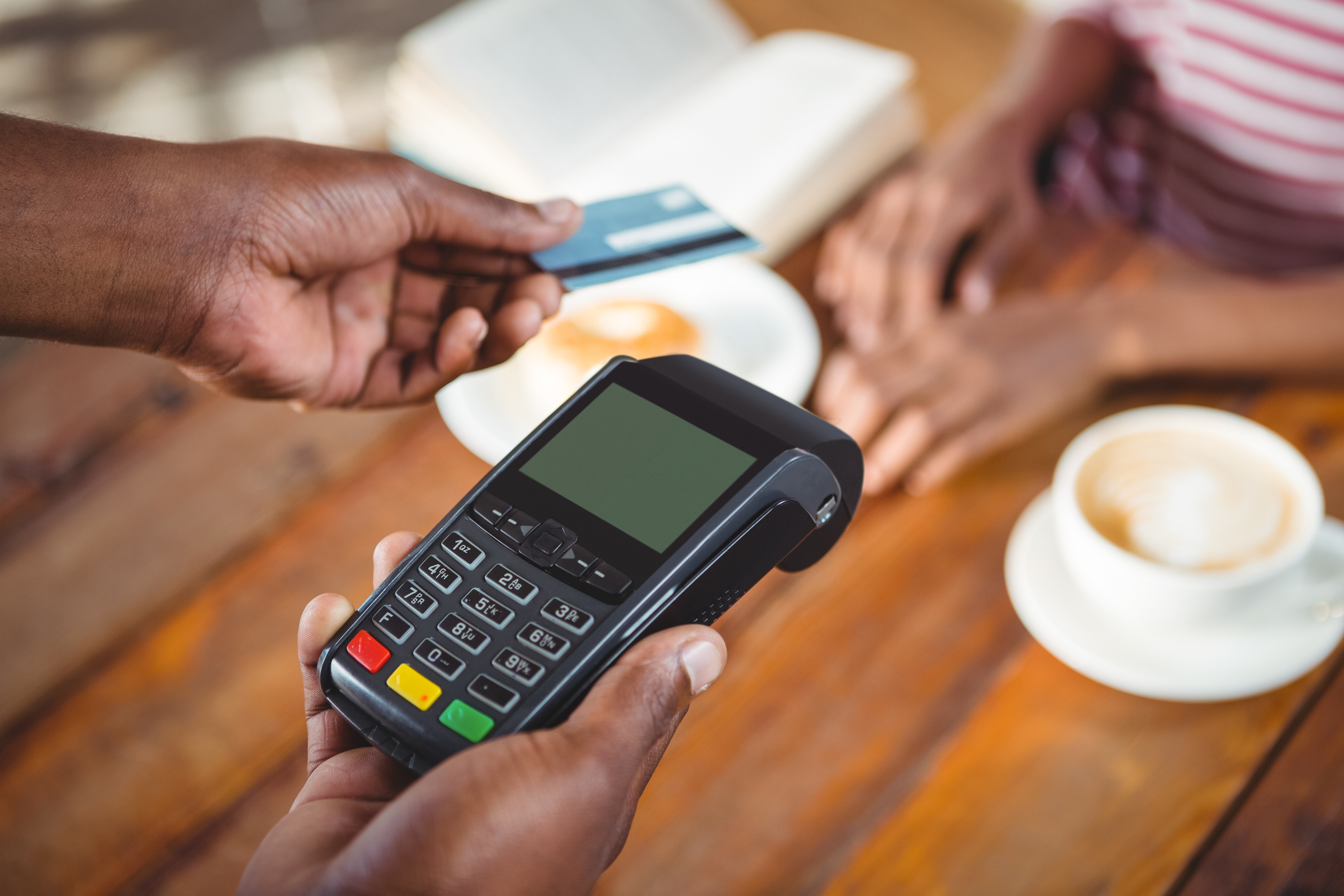
EFTPOS stands for Electronic Funds Transfer at Point of Sale. It is Australia’s national domestic debit card payment network — a system built in the 1980s that connects payment terminals in shops, cafés, supermarkets and anywhere else you pay by card to the Australian banking system.
When you pay by card in Australia, your payment is routed through one of two systems:
- The eftpos network — Australia’s own domestic payment system; lower cost for merchants; processes payments directly from your bank account
- An international card network — Visa or Mastercard; higher cost for merchants; works overseas as well as domestically
Most Australian debit cards are dual-network — they carry both the eftpos logo and a Visa or Mastercard logo. The same physical card can use either network depending on how you pay.
Who runs eftpos? eftpos Payments Australia Limited — a company owned by the major Australian banks and financial institutions; now part of Australian Payments Plus (AP+), the same organisation that runs PayID, Osko and BPAY.
Savings, cheque or credit — what does each mean?
This is the question that confuses almost every new arrival in Australia. Here is the plain-English explanation:
Savings (SAV)
Routes your payment through the eftpos domestic network, drawing funds directly from your everyday transaction (spending) account. Despite being labelled “savings,” this almost always accesses your day-to-day spending account — not a separate savings account. The “savings” label is a legacy of the 1980s banking system and has stuck around ever since.
Use this for: Everyday purchases at Australian shops and supermarkets. Lower cost for the merchant.
Cheque (CHQ)
Also routes your payment through the eftpos domestic network — functionally identical to savings for most people. The distinction historically related to which type of account was linked (cheque account vs savings account), but for most modern Australian banking this difference has disappeared.
The practical difference between savings and cheque: Almost none for everyday use. Some banks (notably Westpac) route their transaction accounts through the cheque button rather than savings. If in doubt, try savings first — if it doesn’t work, try cheque.
Use this for: Same as savings — everyday Australian purchases via the eftpos network.
Credit (CR)
Routes your payment through the Visa or Mastercard international network — even if your card is a debit card, not a credit card. The funds still come from your bank account (not a credit line), but the transaction is processed by Visa or Mastercard rather than eftpos.
Why would you choose credit on a debit card?
- Some merchants only accept Visa or Mastercard (not eftpos)
- Credit/tap payments have more consumer protections and chargeback rights
- Tap-and-go payments (contactless) typically default to the Visa or Mastercard network
- Works overseas, while the eftpos network is domestic only
The cost: Credit transactions cost merchants more to process (0.5-1% vs approximately 0.39% for eftpos) — which is why some merchants used to add a surcharge for credit. From 1 October 2026, surcharges are banned entirely.
The eftpos dual-network debit card explained
Take your Australian debit card and look at it. If it has both the eftpos logo and a Visa or Mastercard logo, it is a dual-network debit card.
This means:
- Insert the card and select savings or cheque → payment goes via eftpos
- Insert the card and select credit → payment goes via Visa or Mastercard
- Tap or use a mobile wallet → the network is chosen automatically (usually Visa or Mastercard for contactless)
Approximately 85% of locally issued Australian debit cards are dual-network — meaning almost every card you receive from an Australian bank will have this functionality.
Contactless tap payments: When you tap your card or phone, the merchant’s terminal usually defaults to the Visa or Mastercard network automatically. If you want to use the eftpos network for a tap payment, you need to insert the card and select savings or cheque. Some terminals now support eftpos contactless (Tap & Pay) — but coverage is not universal yet.
How EFTPOS works — step by step
- You insert your card into the terminal (or tap for contactless)
- The terminal reads the card details
- If inserting: you select savings, cheque or credit
- The terminal communicates with your bank to verify your PIN (for insert) or confirm the tap (for contactless under $200)
- Your bank verifies available funds and approves the transaction
- Funds are transferred from your account to the merchant’s account — typically within seconds
- You receive a receipt
PIN requirement: Transactions under $200 via contactless tap do not require a PIN. Transactions over $200 require a PIN (or biometric via mobile wallet).
Cash out: EFTPOS allows you to withdraw cash at checkout — select savings or cheque, enter your PIN, and the cashier can give you cash from the register. Most merchants set a minimum purchase amount (often $5-10) for cash-out transactions.
EFTPOS vs Visa/Mastercard — what’s the difference?
| eftpos | Visa / Mastercard | |
|---|---|---|
| Network type | Australian domestic | International |
| Works overseas | No | Yes |
| Merchant fee | ~0.39% (lower) | 0.5-1% (higher) |
| Consumer protections | Basic | Chargeback rights, zero liability |
| Contactless | Limited terminal support | Widely supported |
| How to use | Select savings or cheque | Select credit, or tap |
| Best for | Everyday Australian purchases | Overseas travel, online shopping, chargebacks |
Card surcharges — what’s changing from 1 October 2026
From 1 October 2026, the Reserve Bank of Australia is banning card surcharges. Businesses will no longer be allowed to charge customers extra for paying by Visa, Mastercard, eftpos or any other payment method. All payments must be charged at the listed price.
What this means for you:
- No more 0.5%-2% surcharges at restaurants, taxis or small businesses
- No more “credit card fee” at checkout
- The price you see is the price you pay — regardless of how you pay
This change applies to all card payment methods — eftpos, Visa, Mastercard, American Express and digital wallets.
EFTPOS in New Zealand
New Zealand also has an EFTPOS system — one of the oldest and most widely used in the world. However, NZ EFTPOS works slightly differently from Australian EFTPOS:
- In New Zealand, most EFTPOS terminals only have savings and cheque options — there is no credit option on the EFTPOS terminal itself
- Credit card payments are made on a separate terminal or network in New Zealand
- New Zealand EFTPOS is not dual-network in the same way as Australia
- Contactless payments in New Zealand run on Visa or Mastercard — not eftpos
If you move from Australia to New Zealand (or vice versa), the EFTPOS experience will feel familiar but slightly different.
FAQs (frequently asked questions)
What does EFTPOS stand for?
Electronic Funds Transfer at Point of Sale — Australia’s domestic debit card payment network.
What is the difference between savings and cheque on an EFTPOS machine?
Almost none in practice. Both route your payment through the eftpos domestic network and draw funds from your transaction account. The distinction dates from the 1980s. Some banks (Westpac) route through cheque; most others use savings. If savings doesn’t work, try cheque.
What happens if I select credit on a debit card?
Your payment routes through the Visa or Mastercard international network instead of the eftpos network. Funds still come from your bank account — you are not taking on credit. You get stronger consumer protections but the merchant pays a higher fee.
Can I use EFTPOS overseas?
No — eftpos is a domestic Australian network only. To pay overseas, select credit (Visa or Mastercard) or use a card that has an international network. Most Australian dual-network debit cards work overseas via Visa or Mastercard.
What is tap and go in Australia?
Contactless payment — tapping your card, phone or watch on the terminal. Under $200, no PIN is required. Tap payments usually default to the Visa or Mastercard network. From 1 October 2026, surcharges for tap payments are banned.
Are EFTPOS surcharges still legal in Australia?
From 1 October 2026, card surcharges are banned by the Reserve Bank of Australia. Before that date, some merchants charged a surcharge for credit card payments. After 1 October 2026, all card payments must be charged at the listed price.
Related guides
- What is PayID? How to send money in Australia →
- What is BPAY? How to pay bills in Australia →
- What is PayTo? Australia’s new payment system →
- What is Osko? Real-time payments explained →
- What is a SWIFT transfer? →
What it means for your transfers
EFTPOS is for paying at Australian shops — it does not support international transfers. To send money home to India, the Philippines, Vietnam, Nepal or anywhere in OrbitRemit’s network, use OrbitRemit directly from your Australian bank account via PayID or bank transfer.
This guide is for general information only. EFTPOS features and regulations are subject to change — verify at rba.gov.au and your bank’s official website. Last updated September 2026.
Sources: Wise — What is EFTPOS? (wise.com/au/blog, June 16, 2026) | NAB — What is EFTPOS (nab.com.au official) | mobiletransaction.org — What is eftpos and how does it work in Australia? (1 month ago) | APS — EFTPOS Australia Explained (aps.business, June 11, 2026) | Square — What is eftpos and how does it work? (squareup.com/au) | infochoice.com.au — Cheque, Savings or Credit (January 2025)


